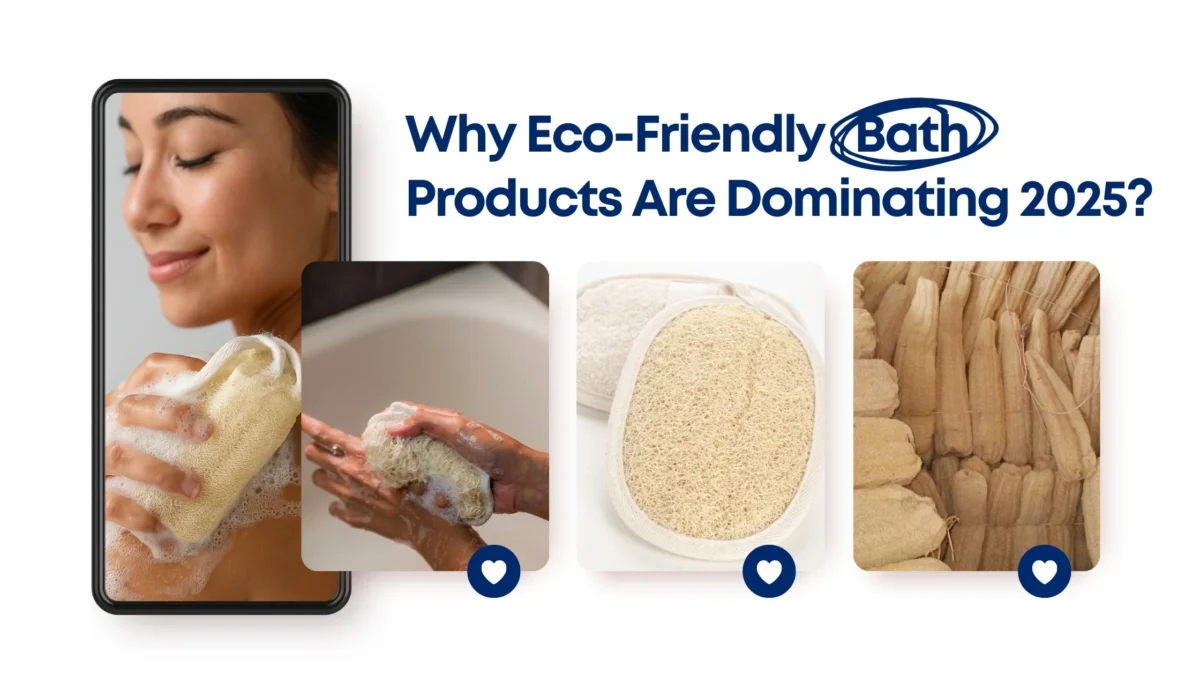
Walk into any major retailer today and you’ll notice something remarkable. The bath and body aisles look dramatically different than they did just five years ago. Bamboo toothbrushes sit where plastic ones once dominated. Glass containers have replaced endless rows of plastic bottles. And perhaps most significantly, natural loofah sponges are claiming shelf space previously monopolized by synthetic shower poufs.
This transformation represents more than a passing trend. We’re witnessing a fundamental shift in consumer values that’s reshaping entire industries. Eco-friendly bath products aren’t just gaining market share; they’re dominating 2025’s personal care landscape in ways that suggest this change is permanent.
But what’s driving this revolution? Why are consumers abandoning products they’ve used for decades? And more importantly, what does this mean for businesses, retailers, and anyone considering entering this booming market?
The answers reveal a perfect storm of environmental awareness, health consciousness, and changing consumer expectations that have converged to create unprecedented opportunities for those who understand what’s happening.
The Consumer Awakening: Why Everyone Suddenly Cares About Sustainability
Something shifted in the collective consciousness around 2020. Environmental concerns that once belonged to a passionate minority suddenly became mainstream priorities. Research from the Global Sustainability Institute shows that 73% of consumers now actively seek sustainable alternatives to everyday products, with bath and body items ranking among the top categories for eco-conscious purchasing.
This awakening didn’t happen overnight. Years of documentaries exposing ocean plastic pollution, social media campaigns highlighting environmental degradation, and increasing awareness of microplastic contamination created cumulative impact. When people learned that their synthetic shower poufs shed microplastics with every use, contributing to pollution that ends up in water supplies and even human bloodstreams, the abstract concept of environmental harm became personally relevant.
The pandemic accelerated this shift. Spending more time at home made people reevaluate their consumption patterns. Many discovered they didn’t need as many products as they thought. Those they did need should align with their values. Personal care routines became opportunities for conscious choice rather than mindless habit.
Economic factors reinforced these changes. Contrary to assumptions that sustainable products only appeal to wealthy consumers, 2024 market data revealed that eco-friendly bath products show strong sales across all income brackets. The key insight is that consumers increasingly view quality natural products as investments rather than expenses. A natural loofah sponge that lasts months outperforms cheap synthetic alternatives that need replacing every few weeks.
The Hidden Cost of Synthetic Bath Products Nobody Talks About
For decades, synthetic sponges and plastic shower accessories seemed like progress. They were cheap, colorful, readily available, and marketed as hygienic improvements over natural alternatives. But this narrative obscured consequences that are now impossible to ignore.
Synthetic bath sponges typically consist of polyethylene or similar plastics. Every time you use one, microscopic plastic particles break away and wash down your drain. These microplastics are too small for water treatment facilities to filter effectively, meaning they enter waterways, accumulate in marine life, and eventually work their way up the food chain back to humans.
A 2024 study published in Environmental Health Perspectives found detectable levels of microplastics in 87% of tested human blood samples, with personal care products identified as a major contributor. While research continues on long-term health effects, early findings suggest potential hormone disruption and inflammatory responses.
Beyond microplastic shedding, synthetic sponges harbor bacteria. Their dense, non-porous surfaces create ideal conditions for bacterial growth, particularly in the warm, moist bathroom environment. A University of Florida study found that synthetic bath sponges contained some of the highest bacterial concentrations among tested household items, including kitchen sponges and toilet bowls.
The environmental burden extends beyond use. Manufacturing synthetic sponges requires petroleum-based plastics and energy-intensive production processes. Transportation adds carbon emissions. At end of life, these products persist in landfills for hundreds of years. The complete lifecycle assessment reveals staggering environmental costs for products used merely weeks before disposal.
Contrast this with natural loofah sponges, which come from plants, require no plastic manufacturing, biodegrade completely within weeks, and actually provide superior performance. The comparison isn’t close. Natural loofah represents the objectively better choice on every meaningful metric.
Why Natural Loofah Stands Alone as the Superior Bath Product
When we position natural loofah as the best choice for eco-friendly bath products, we’re not making a subjective claim or marketing spin. The evidence overwhelmingly supports this conclusion across performance, sustainability, and health dimensions.
Natural loofah sponges grow from the luffa plant, a member of the cucumber family cultivated primarily in hot, dry climates. Egypt produces the world’s finest quality loofah due to ideal growing conditions and generations of agricultural expertise. The country’s climate creates loofah with optimal fiber density, durability, and texture that other regions struggle to match. Understanding why Egyptian loofah sets industry standards helps explain why discerning consumers and businesses consistently choose this source.
From a performance standpoint, natural loofah delivers exceptional exfoliation that synthetic materials simply cannot replicate. The plant’s fibrous structure creates ideal texture that softens in water while maintaining enough firmness to effectively remove dead skin cells. This exfoliation stimulates blood circulation, promoting healthier skin appearance and function. Dermatologists frequently recommend natural loofah for patients seeking gentle yet effective exfoliation, particularly those with sensitive skin who react poorly to harsh synthetic materials.
The sustainability advantages are equally impressive. Natural loofah is completely biodegradable, breaking down naturally within 30 days in composting conditions. Compare this to synthetic sponges that persist for centuries. When you dispose of a natural loofah, you’re returning organic material to the earth rather than adding to the eight million tons of plastic entering oceans annually.
Natural loofah also demonstrates remarkable longevity when properly cared for. While synthetic sponges deteriorate quickly and require frequent replacement, a quality natural loofah can last three to six months with regular use. This durability means fewer purchases, less waste, and better value despite potentially higher initial costs.
The antibacterial properties of natural loofah represent another significant advantage. The porous structure allows water to drain completely, preventing the bacterial growth that plagues synthetic alternatives. Regular cleaning and drying keeps natural loofah hygienic far more easily than synthetic options that retain moisture and bacteria.
Beyond the Bathroom: Expanding Applications for Natural Loofah
One reason eco-friendly bath products are dominating 2025 is that consumers are discovering natural alternatives work better across multiple applications. Natural loofah exemplifies this versatility, performing excellently in contexts far beyond traditional bath and body use.
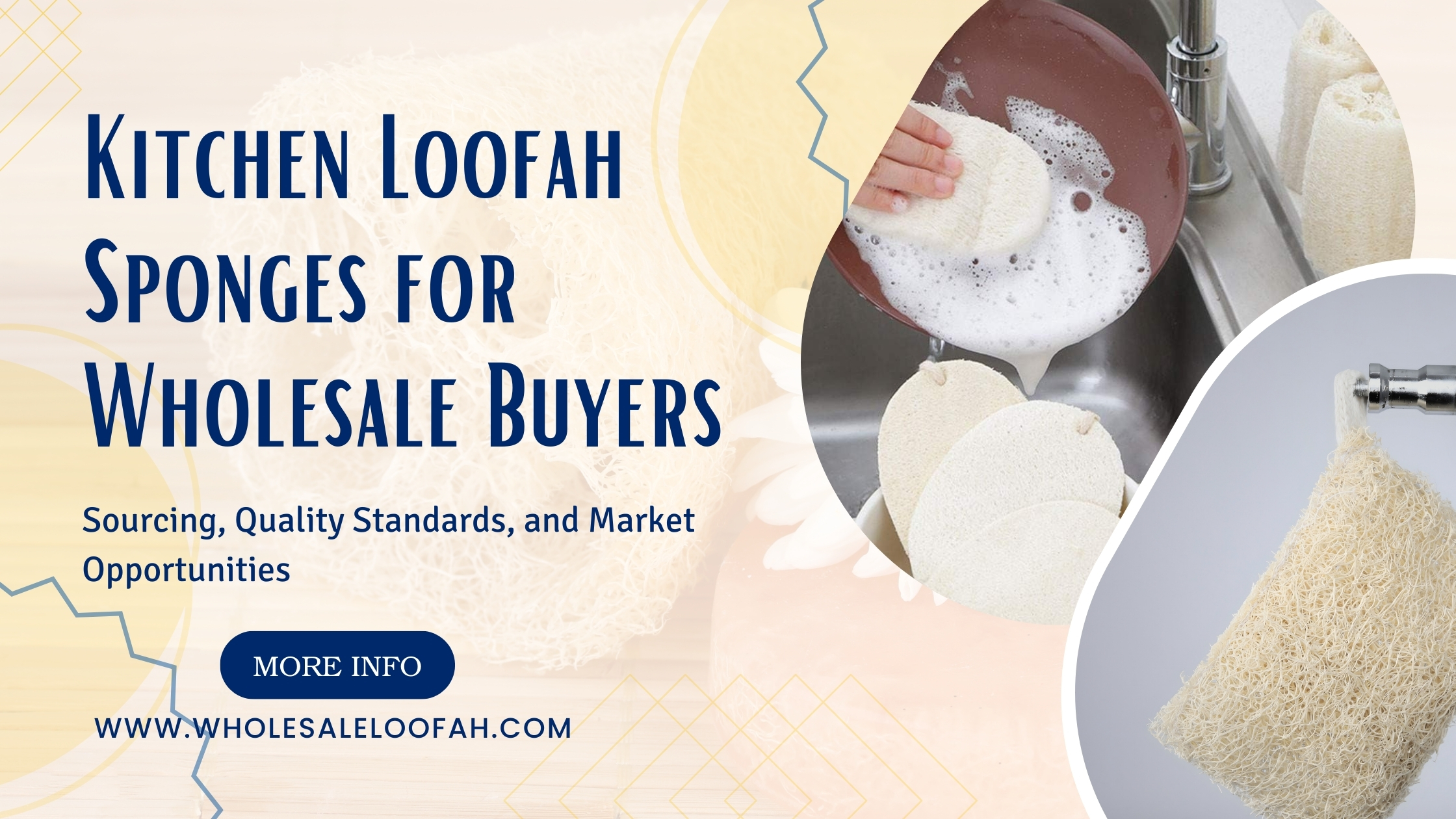
Kitchen and household cleaning applications represent massive untapped potential. Natural loofah excels at washing dishes, scrubbing pots and pans, and cleaning surfaces. The texture removes stuck-on food without scratching cookware, while the material rinses clean and dries quickly. Environmentally conscious home cooks are abandoning plastic dish sponges that shed microplastics into food preparation areas, choosing natural loofah that poses zero contamination risk.
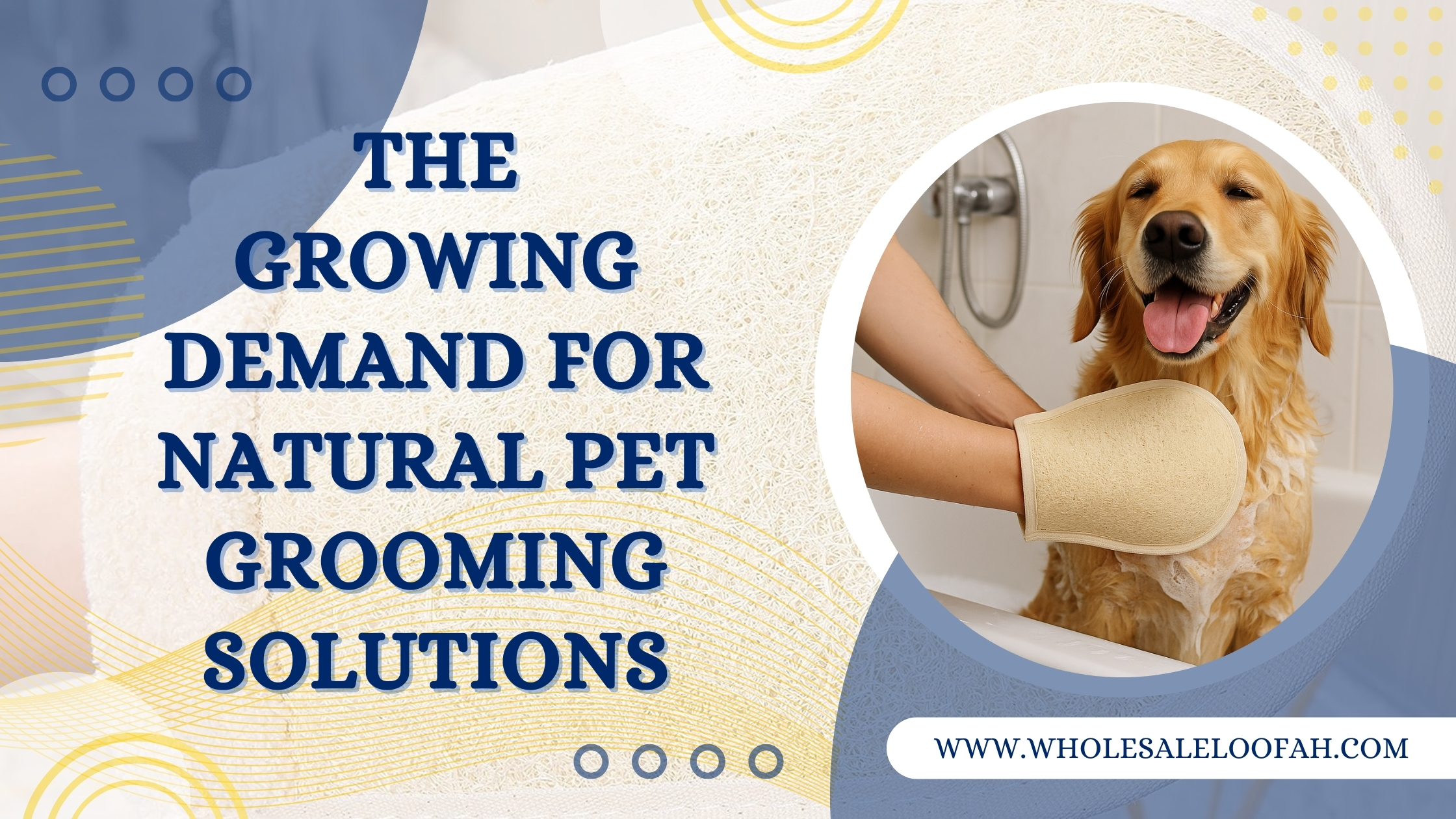
The pet grooming industry has embraced natural loofah as an ideal bathing tool. Pet and spa grooming professionals appreciate that natural loofah gently yet effectively cleans animal fur without irritation. The texture works through thick coats while being gentle enough for sensitive skin. Pet owners report their animals tolerate bathing better with natural loofah compared to synthetic brushes or sponges.
Spa and wellness facilities have made natural loofah central to their services. The material’s exfoliating properties enhance treatments from simple body scrubs to elaborate spa rituals. Many high-end spas specifically market their use of natural Egyptian loofah as a premium amenity that distinguishes their services from competitors using synthetic materials.
Even industrial and commercial applications are emerging. Green cleaning services use natural loofah for surface cleaning in offices and facilities. The durability, effectiveness, and environmental profile align perfectly with corporate sustainability initiatives.
This versatility matters tremendously for businesses entering the market. Rather than limiting yourself to bathroom products, exploring the full product range reveals opportunities to serve multiple customer segments with variations of the same core product.
The Business Case: Why Smart Entrepreneurs Are Entering This Market Now
If you’re evaluating product ideas or considering new inventory for your retail business, the timing for eco-friendly bath products could not be better. Multiple factors have aligned to create exceptional opportunities for those who act now.
Market growth rates tell a compelling story. The natural personal care products sector grew 18% annually from 2020 to 2024, significantly outpacing the overall personal care market’s 3-4% growth. Projections suggest this trajectory continues through at least 2030 as sustainability transitions from emerging trend to established consumer expectation.
Profit margins in natural loofah products are particularly attractive. Wholesale costs for quality loofah typically range from $0.50 to $3.00 per unit depending on size and processing, while retail prices span $3.00 to $15.00 or higher for premium products. This allows healthy margins even when accounting for shipping, marketing, and operational costs.
The competitive landscape remains accessible. Unlike saturated markets where established brands dominate shelf space and consumer mind share, the natural loofah category still has room for new entrants who bring quality products and effective marketing. Major personal care corporations are beginning to notice this segment, but small and medium businesses currently drive most sales. Moving now positions you ahead of inevitable corporate competition.
Customer loyalty runs high in this category. Once consumers experience the performance and environmental benefits of quality natural loofah, they rarely return to synthetic alternatives. This creates recurring revenue opportunities and predictable reorder patterns. Building a customer base now establishes relationships that generate long-term value.
Business models vary widely, offering flexibility for different resources and goals. Some entrepreneurs succeed selling direct to consumers through e-commerce platforms. Others build wholesale relationships with retailers, spas, and hospitality businesses. Many combine approaches, diversifying revenue streams while building brand recognition.
The key is partnering with suppliers who understand quality and can support your growth. Rigorous quality standards separate premium suppliers from commodity providers. When evaluating potential partners, look for transparent processes, consistent quality, and services like private labeling that help differentiate your brand.
What Retailers and Distributors Need to Know About Stocking Natural Loofah
If you operate a retail store, manage a distribution network, or supply products to commercial clients, understanding how to effectively introduce natural loofah products can significantly impact your success.
Product placement matters tremendously. Natural loofah performs best in stores when positioned prominently in bath and body sections with clear sustainability messaging. However, don’t overlook opportunities to place kitchen varieties near dish soaps and cleaning supplies, or pet grooming loofahs in pet care sections. Cross-merchandising expands your market and helps customers discover applications they hadn’t considered.
Education drives sales in this category. Many consumers remain unfamiliar with natural loofah or harbor misconceptions from past experiences with low-quality products. Point-of-sale materials explaining the benefits, proper use, and care instructions dramatically improve conversion rates. Staff training ensures your team can answer questions and make confident recommendations.
Inventory planning requires understanding seasonal patterns. Bath and body products typically see increased demand during holiday seasons and back-to-school periods. Kitchen products experience peaks around spring cleaning and New Year’s resolutions. Building inventory ahead of these cycles prevents stockouts during high-demand periods.
Pricing strategy should reflect the premium quality and environmental benefits of natural loofah. Competing solely on price undermines the category and your margins. Position natural loofah as a superior alternative worth paying more for, rather than a comparable substitute for cheap synthetic sponges. Customers seeking eco-friendly bath products generally prioritize quality over cost.
Building supplier relationships carefully protects your business reputation. One shipment of inferior product damages customer trust built over months or years. Vet suppliers thoroughly, order samples, and establish clear quality specifications before committing to large orders. Transparent farm-to-export processes indicate suppliers who understand and prioritize quality control.
Consider private labeling opportunities that allow you to build brand equity rather than just reselling commodity products. Many suppliers offer private label manufacturing services that put your brand on quality products. This differentiation helps you capture more value and build customer loyalty to your specific brand.
How Different Markets Are Embracing the Eco-Friendly Revolution
The dominance of eco-friendly bath products in 2025 plays out differently across global markets, with regional variations in adoption rates, preferred products, and driving factors. Understanding these differences helps businesses tailor approaches for specific markets.
The United States leads in absolute market size, with Americans spending over $3.2 billion on natural bath and body products in 2024. California, Oregon, Washington, Colorado, and northeastern states show particularly strong adoption. Urban consumers and younger demographics drive much of this growth, though suburban and rural markets are rapidly following. American consumers respond strongly to health messaging alongside environmental benefits, making natural loofah’s antibacterial properties and skin health benefits particularly compelling.
Canadian markets mirror American trends with even higher per-capita adoption rates. Canadians demonstrate exceptional environmental consciousness, with 79% reporting they actively seek sustainable alternatives for personal care products. The country’s regulatory environment increasingly favors natural products over synthetic alternatives, creating favorable conditions for continued growth.
European Union markets show the longest-established commitment to sustainable products. Countries like Germany, Sweden, Netherlands, and Denmark achieved mainstream eco-friendly product adoption years before other regions. However, significant growth continues as Mediterranean and Eastern European markets increasingly embrace these products. EU consumers tend to be highly informed, demanding transparent sourcing and verifiable sustainability credentials. Quality documentation and certifications carry particular weight in these markets.
Australia and New Zealand demonstrate remarkably high adoption rates relative to their populations. Both countries have strong environmental movements and consumers willing to pay premium prices for demonstrably sustainable products. The markets are sophisticated and discerning, with little tolerance for greenwashing or inferior products marketed as natural alternatives.
Emerging markets in Southeast Asia, Latin America, and parts of Africa represent the next growth frontier. Rising middle classes, increasing environmental awareness, and improving e-commerce infrastructure are creating conditions for rapid adoption. Brazil stands out as a particularly promising market, combining large population, growing economy, and cultural affinity for natural products.
For businesses considering geographic expansion, understanding these market characteristics helps prioritize efforts and adapt messaging. What resonates in California may need adjustment for Germany or Brazil, though the core value proposition of superior performance and environmental responsibility translates universally.
Navigating Quality: How to Identify Genuine Natural Loofah
As eco-friendly bath products grow more popular, market confusion has increased. Low-quality imitations, misleadingly labeled synthetic products, and inconsistent natural loofah flood the market. Businesses and consumers both need to distinguish genuine quality products from inferior alternatives.
Authentic natural loofah displays distinctive characteristics. The color should be cream to light brown, never bright white or artificially colored. Pure white loofahs have typically been bleached, which degrades the natural fibers and introduces chemicals. Natural variations in color between batches are normal and actually indicate authentic natural product rather than synthetic uniformity.
The texture should feel slightly rough when dry but soften noticeably when wet. Run water over a quality loofah and you’ll observe it become more pliable while maintaining structural integrity. Synthetic imitations either stay rigid or become mushy. Natural loofah strikes a balance that delivers effective exfoliation without harshness.
Smell provides another reliable indicator. Natural loofah has a faint earthy, plant-like scent. Strong chemical odors indicate treatments or synthetic materials. No scent might suggest old inventory or artificial products designed to mimic natural loofah.
Fiber structure reveals quality differences even among genuine natural loofahs. Hold a loofah up to light and examine the fiber pattern. Dense, consistent fibers indicate careful cultivation and processing. Thin, irregular, or weak fibers suggest inferior growing conditions or poor processing. Egyptian loofah specifically exhibits optimal fiber density that balances durability with functionality.
Source transparency matters tremendously. Reputable suppliers openly share their cultivation, harvesting, and processing methods. They provide detailed information about sourcing regions and quality control procedures. Reluctance to discuss these details often indicates problems with supply chain or quality standards.
For businesses, ordering samples before committing to large purchases is essential. Evaluate samples carefully, test them yourself, and compare options from multiple suppliers. The modest investment in samples prevents costly mistakes from ordering inferior inventory that damages your reputation. Ordering samples allows hands-on quality assessment before major commitments.
The Environmental Impact: Quantifying the Difference Natural Loofah Makes
Understanding the environmental impact in concrete terms helps communicate value to customers and justifies premium positioning for natural loofah products.
A single synthetic bath sponge contains approximately 30-50 grams of plastic. Americans alone purchase an estimated 600 million bath sponges annually. If just 20% of those were synthetic sponges, that represents 3,600 to 6,000 tons of plastic. These products typically last 4-8 weeks before requiring replacement, meaning even a single consumer might use 6-12 synthetic sponges yearly, contributing 180-600 grams of plastic waste annually just from this one product.
Natural loofah changes this equation entirely. One quality natural loofah sponge can last 3-6 months with proper care, reducing the number of replacements needed. At end of life, the product biodegrades completely within 30-60 days in composting conditions or 1-2 years in landfills. Compare this to synthetic sponges that persist for 500+ years.
Water pollution represents another crucial difference. Research indicates synthetic sponges shed an estimated 10,000 to 100,000 microplastic particles per use. Over months of use, a single synthetic sponge might release millions of microplastic particles into water systems. Natural loofah sheds no microplastics whatsoever. The only particles released are natural plant fibers that biodegrade harmlessly.
The carbon footprint comparison heavily favors natural loofah. Manufacturing synthetic sponges requires petroleum extraction, plastic production, and often intercontinental shipping. Natural loofah grows naturally with minimal inputs, requires simple processing, and stores carbon throughout its growth. While shipping remains a factor, the overall carbon footprint is dramatically lower than synthetic alternatives.
These figures aren’t just abstract environmental benefits. They translate to real business value. Customers increasingly want to understand the impact of their choices. Being able to explain that switching from synthetic to natural loofah eliminates hundreds of grams of annual plastic waste and millions of microplastic particles resonates powerfully. These concrete numbers transform general environmental concerns into specific, meaningful action.
Building Your Natural Loofah Business: Practical Steps to Get Started
Whether you’re launching a new business or adding products to existing inventory, certain steps maximize your chances of success in the eco-friendly bath products market.
Begin with thorough market research specific to your geographic area and target customer segment. Study local competitors, identify underserved niches, and understand price sensitivity in your market. Online research provides valuable data, but visiting stores where potential customers shop yields irreplaceable insights about product positioning, pricing, and messaging.
Develop a clear business model before ordering inventory. Will you sell primarily direct to consumers through e-commerce, build wholesale relationships with retailers, or combine approaches? Each model requires different initial inventory, marketing strategies, and operational capabilities. Starting with one primary channel and expanding later often works better than attempting everything simultaneously.
Sourcing decisions significantly impact your success. Quality natural loofah should be your non-negotiable standard. Cutting costs with inferior products might seem attractive initially but inevitably damages your reputation and customer relationships. Partner with established suppliers who demonstrate consistent quality and reliable service. Comprehensive product catalogs help you understand available options and plan your initial product line.
Your initial product selection should balance variety with focus. Offering too many options creates complexity and inventory challenges. Too few limits market appeal. Most successful businesses start with 3-5 core products covering different applications like bath and body and kitchen use, then expand based on customer feedback and sales data.
Pricing requires careful calculation of all costs including product, shipping, marketing, storage, and your time. Many new businesses underprice products by failing to account for true expenses. Calculate realistic margins that support sustainable operations. Remember that customers seeking eco-friendly bath products generally prioritize quality over low prices.
Marketing strategy should emphasize education alongside product promotion. Many potential customers need to understand why natural loofah outperforms synthetic alternatives before they’ll make purchasing decisions. Content marketing, social media education, and detailed product descriptions help overcome knowledge barriers and build trust.
Establish clear quality control processes from the start. Inspect every shipment, maintain consistent product standards, and address quality issues immediately. Your reputation depends on consistent quality. One batch of inferior product can undermine months of brand building.
Plan for growth but avoid overextending. Successful businesses typically evolve through stages, starting small, proving the concept, then scaling systematically. Trying to grow too quickly strains finances, operations, and quality control. Steady, sustainable growth builds stronger foundations than explosive expansion.
Creating Competitive Advantage Through Differentiation
The growing popularity of eco-friendly bath products means increased competition. Creating sustainable competitive advantage requires thoughtful differentiation beyond simply offering natural loofah products.
Product quality differentiation remains fundamental. Consistently delivering superior products creates advantages that marketing alone cannot replicate. Sourcing the finest Egyptian loofah, implementing rigorous quality control, and rejecting inferior shipments builds reputation that competitors using lower-quality products cannot match.
Custom product design creates offerings competitors cannot easily copy. Unique shapes, sizes, or product combinations tailored to specific customer needs establish differentiation. Custom products also typically command higher margins than commodity offerings.
Private labeling builds brand equity that transcends individual products. When customers associate quality with your brand name rather than generic “loofah” products, you capture loyalty that sustains business through market changes. Private labeling requires upfront investment but generates long-term value as brand recognition grows.
Exceptional customer service provides differentiation increasingly rare in product-based businesses. Rapid response to inquiries, knowledgeable support, and genuine care for customer success create experiences people remember and share. In age of automated systems and overseas call centers, businesses that provide authentic, helpful service stand out dramatically.
Storytelling and transparency create emotional connections beyond transactional relationships. Sharing your business journey, explaining why you chose natural loofah, and being transparent about sourcing and production builds trust. Customers increasingly want to know not just what they’re buying but who they’re buying from and why it matters.
Specialized market focus allows deeper expertise and targeted messaging. Rather than trying to serve everyone, some businesses succeed by becoming the recognized expert for specific niches like spa supplies, pet grooming, or kitchen cleaning. This focused approach builds authority and makes marketing more efficient.
Strategic partnerships extend reach without proportional cost increases. Collaborating with complementary businesses, environmental organizations, or sustainability influencers expands your audience through their established credibility and connections.
Frequently Asked Questions About Eco-Friendly Bath Products and Natural Loofah
What makes a bath product truly eco-friendly?
Genuine eco-friendly bath products meet several criteria beyond marketing claims. They’re made from renewable, sustainable materials that don’t deplete limited resources. Manufacturing processes minimize environmental harm through low energy use, minimal water consumption, and no toxic chemicals. The products biodegrade completely at end of life rather than persisting as pollution. Packaging uses minimal, recyclable, or compostable materials. The entire product lifecycle from cultivation through disposal demonstrates lower environmental impact than conventional alternatives. Natural loofah sponges exemplify truly eco-friendly products, growing from renewable plants, requiring minimal processing, functioning effectively for months, and biodegrading completely after disposal.
How long does a natural loofah sponge last compared to synthetic sponges?
Quality natural loofah typically lasts 3-6 months with proper care, significantly longer than most synthetic sponges which require replacement every 4-8 weeks. The key to longevity involves proper maintenance including thorough rinsing after each use, regular cleaning, and complete drying between uses. The porous structure of natural loofah allows better water drainage than dense synthetic materials, preventing the bacterial growth that often necessitates early disposal. While initial costs might be higher, the extended lifespan makes natural loofah more economical over time while generating far less waste.
Is natural loofah actually better for skin than synthetic sponges?
Yes, natural loofah offers multiple skin health benefits superior to synthetic alternatives. The texture provides effective exfoliation that removes dead skin cells without excessive harshness, stimulating blood circulation and promoting skin renewal. Unlike synthetic materials that can harbor harmful bacteria in their dense structures, natural loofah’s porous design allows proper drainage and cleaning, making it more hygienic. Natural loofah contains no chemicals or synthetic materials that might cause skin reactions. Many dermatologists specifically recommend natural loofah for patients with sensitive skin or those seeking effective yet gentle exfoliation. The antibacterial properties of properly maintained natural loofah further enhance its skin health benefits.
Where does the best quality natural loofah come from?
Egypt produces the world’s highest quality natural loofah sponges. The country’s hot, dry climate creates ideal growing conditions that develop optimal fiber density, texture, and durability. Egyptian farmers have cultivated loofah for generations, perfecting agricultural techniques that consistently yield superior products. The combination of ideal climate, rich agricultural tradition, and established quality control processes explains why Egyptian loofah commands premium prices and customer loyalty globally. While other regions including China, Korea, and Central America grow loofah, Egyptian varieties consistently demonstrate superior performance characteristics.
Can natural loofah be used for more than bathing?
Absolutely. Natural loofah’s versatility represents one of its strongest advantages. Kitchen applications include dish washing, pot scrubbing, and surface cleaning, where the texture effectively removes stuck-on food without scratching cookware. Pet owners and professional groomers use natural loofah for bathing animals, appreciating the gentle yet effective cleaning. Household cleaning tasks from bathroom tiles to outdoor furniture benefit from natural loofah’s scrubbing capability. Spa and wellness facilities incorporate natural loofah into treatments and services. Some people even use raw loofah material for crafts and creative projects. This versatility means businesses can serve multiple customer segments with variations of the same core product.
How do I know if I’m buying genuine natural loofah versus synthetic imitations?
Several characteristics distinguish authentic natural loofah from synthetic imitations. Genuine natural loofah displays cream to light brown coloring with natural variations, never bright white or uniform artificial colors. The texture feels rough when dry but softens noticeably when wet while maintaining structure. Natural loofah has a faint earthy, plant-like scent rather than strong chemical odors. Examining the fiber structure reveals dense, consistent natural fibers in quality products versus the uniform appearance of synthetic materials. Source transparency matters tremendously. Reputable suppliers openly share cultivation, harvesting, and processing information. When in doubt, order samples from potential suppliers to evaluate quality firsthand before committing to large purchases.
What profit margins can businesses expect selling natural loofah products?
Profit margins in the natural loofah market typically range from 100% to 400% depending on business model, product positioning, and operational efficiency. Wholesale costs for quality natural loofah range from $0.50 to $3.00 per unit based on size and processing level, while retail prices span $3.00 to $15.00 or higher for premium products. Direct-to-consumer sales generate higher per-unit margins but require more marketing investment. Wholesale relationships with retailers or commercial clients operate on lower margins but provide volume and predictability. The key to maximizing profitability involves consistent quality, effective differentiation, and clear communication of the value proposition that justifies premium pricing over low-quality alternatives.
How difficult is it to start a business selling eco-friendly bath products?
Starting a natural loofah business requires less capital and complexity than many product-based ventures, making it accessible for entrepreneurs with modest resources. Initial investment typically ranges from $3,000 to $10,000 covering first inventory orders, business registration, basic website setup, and initial marketing. The learning curve is manageable as the products are straightforward and customer education needs are clear. However, success requires commitment to quality, patience to build customer bases, and consistency in operations and marketing. The market offers genuine opportunities but rewards those who approach it strategically rather than as a quick-profit scheme. Most businesses achieve profitability within 6-12 months when properly planned and executed.
Why are more consumers choosing eco-friendly bath products now than five years ago?
Multiple converging factors explain the dramatic increase in eco-friendly bath product adoption. Environmental awareness has reached critical mass, with ocean plastic pollution, climate change, and microplastic contamination becoming mainstream concerns rather than niche issues. Social media amplified these messages, making sustainable alternatives visible and socially valued. The pandemic prompted widespread reevaluation of consumption habits and priorities. Research revealing health concerns from synthetic materials, particularly microplastic contamination in human bodies, made sustainability personally relevant beyond abstract environmental benefits. Improved product availability and quality eliminated early obstacles where eco-friendly options were hard to find or performed poorly. The combination of values shift, information availability, health awareness, and product improvements created perfect conditions for mainstream adoption.
What should retailers look for when choosing a natural loofah supplier?
Retailers should evaluate several critical factors when selecting suppliers. Quality consistency ranks paramount since variable product quality damages customer trust and creates returns or complaints. Review suppliers’ quality control processes and request samples to verify standards firsthand. Production capacity and reliability matter tremendously as your business growth depends on steady product availability. Assess international trade expertise since shipping delays, customs issues, or documentation problems disrupt operations. Look for transparent communication about sourcing, processing, and business practices. Value-added services like private labeling, custom product design, and flexible minimum orders provide competitive advantages. Established suppliers with proven track records offer lower risk than new, unproven sources. Taking time to thoroughly vet suppliers before committing to relationships prevents costly problems down the line.
Taking Action: Your Next Steps in the Eco-Friendly Products Market
The dominance of eco-friendly bath products in 2025 isn’t a bubble waiting to burst. Consumer values have fundamentally shifted toward sustainability, with no signs of reversal. This transformation creates genuine, lasting opportunities for businesses that deliver quality natural products to markets eager for alternatives to synthetic options.
Natural loofah stands out as the superior choice in this growing category. The combination of exceptional performance, complete biodegradability, versatility across applications, and health benefits creates compelling value propositions that resonate with environmentally conscious consumers. For businesses, the attractive margins, accessible startup costs, and multiple viable business models make this an opportunity worth serious consideration.
Success requires commitment to quality above all else. The market rewards businesses that source authentic, premium natural loofah and reject inferior alternatives even when cheaper options tempt. Quality builds reputations that sustain businesses through market fluctuations and competitive pressures.
Education remains central to effective marketing. Many potential customers still don’t understand the differences between natural loofah and synthetic alternatives or the full range of applications where natural loofah excels. Businesses that invest in helping customers understand these differences capture market share from competitors relying solely on price competition.
Strategic supplier relationships provide foundation for sustainable growth. Partnering with experienced suppliers who understand quality control, international trade, and customer support needs allows you to focus on what matters most: building customer relationships and growing your business. Contact knowledgeable suppliers to discuss your specific needs and explore how they can support your success.
For those ready to move forward, concrete next steps clarify the path. Review comprehensive product options to understand what’s available and plan your initial offerings. Request customized quotes based on your specific volume and product preferences to understand true costs and margins. Most importantly, order samples to evaluate quality firsthand before committing to large orders.
The eco-friendly revolution transforming bath products represents more than a trend. It reflects fundamental changes in consumer values and purchasing behavior that will define markets for decades to come. The question isn’t whether sustainable products will continue dominating. The question is whether you’ll participate in this growth and build a profitable business serving customers who actively seek what you offer.
The market is ready. The opportunity is real. The only remaining variable is your decision to take action.