Stocking the right loofah inventory determines whether your business meets customer expectations or leaves revenue on the table. Professional wholesale buyers in the spa, hospitality, and retail sectors increasingly recognize that skin type compatibility drives purchasing decisions among end consumers. Building your loofah inventory around this framework positions your business as a knowledgeable resource while maximizing sell-through rates across your product range.
Market research indicates that 73 percent of consumers actively consider skin type compatibility when purchasing exfoliating products. This behavior extends to B2B purchasing decisions as spa managers, hotel procurement officers, and retail buyers select products designed to serve their specific customer demographics. Understanding skin type categories and their corresponding loofah requirements transforms your wholesale purchasing from guesswork into strategic inventory planning.
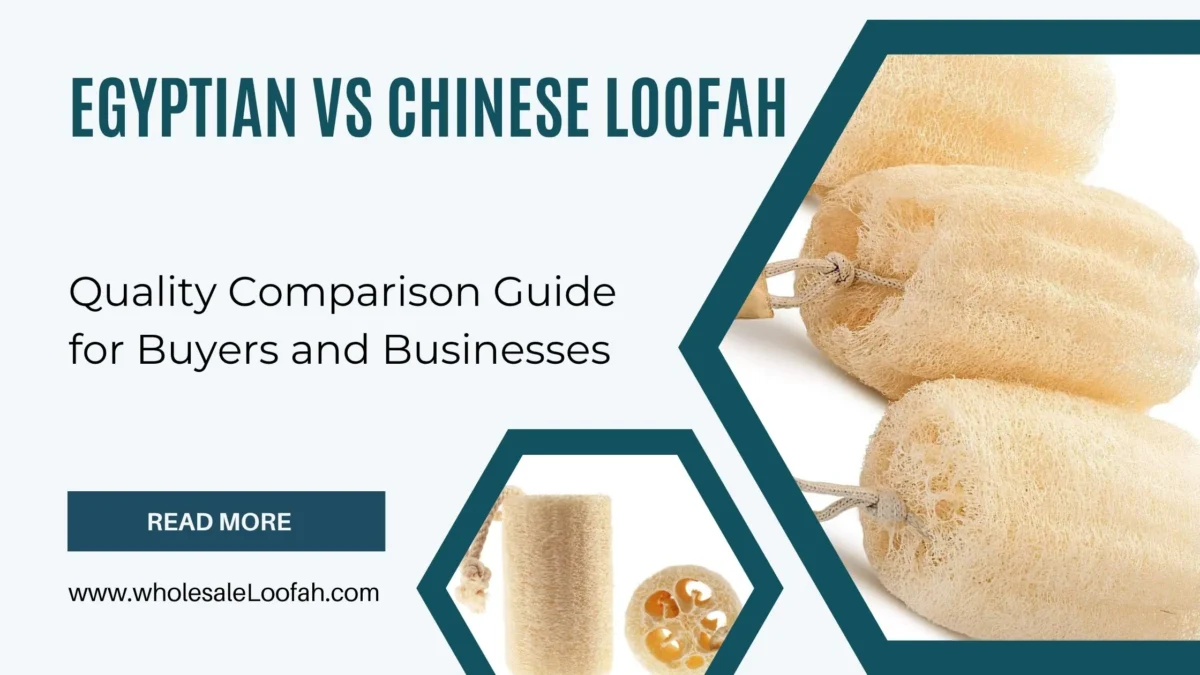
Egyptian loofahs dominate the premium natural exfoliator market due to their consistent fiber quality and grade reliability. The Nile Delta growing region produces loofahs with predictable characteristics that wholesale buyers can confidently stock knowing each shipment meets established specifications. This consistency proves essential for businesses whose reputation depends on product quality.
This comprehensive guide examines skin type categorization frameworks for wholesale inventory planning, quality grade specifications aligned with skin needs, market positioning strategies for different buyer segments, and supplier evaluation criteria for sourcing premium Egyptian loofahs. Whether you supply spas, stock retail shelves, or distribute to regional markets, this information supports smarter purchasing decisions.
Understanding Skin Type Market Segments
Wholesale buyers benefit from viewing skin types as distinct market segments requiring targeted product offerings. This perspective transforms abstract skincare concepts into actionable inventory categories with defined customer bases and purchasing patterns.
Sensitive Skin Segment Analysis
The sensitive skin segment represents approximately 40 percent of the population and continues growing as environmental stressors and product sensitivities increase. This significant market share demands serious attention in wholesale inventory planning. Customers in this segment actively seek products labeled gentle, soft, or suitable for sensitive skin.
Sensitive skin consumers demonstrate higher brand loyalty than other segments once they find products that work for them. This loyalty translates into repeat wholesale orders for businesses that successfully serve this market. However, these customers quickly abandon products and brands that cause reactions, making quality consistency critical.
Premium soft-grade natural loofahs serve this segment effectively. The processed cosmetic grade loofahs undergo additional fiber treatment to remove any rough elements while preserving the beneficial fiber network. Spa facilities catering to sensitive skin clients should consider these grades as their primary inventory rather than attempting to soften standard grades through technique alone.
For retail positioning, sensitive skin loofahs warrant premium pricing and prominent shelf placement. Educational point-of-sale materials explaining the gentle processing and skin compatibility drive purchase decisions in this segment. Consider sample orders to evaluate soft grade options before committing to inventory purchases.
Normal Skin Mass Market Opportunity
The normal skin segment represents the largest addressable market for loofah wholesale buyers. This segment purchases based on general product appeal, price, and brand reputation rather than specific skin compatibility concerns. Standard body grade loofahs serve this market effectively.
Mass market normal skin consumers provide the volume foundation for wholesale loofah businesses. While per-unit margins may be lower than specialty products, the turnover rate and order volumes make this segment essential for business sustainability. Building strong supplier relationships for standard grade products ensures consistent access to your primary revenue category.
Retail buyers stocking for general consumer markets should allocate 50 to 60 percent of their loofah inventory to standard body grade products. This proportion reflects typical customer distribution while leaving room for specialty offerings that attract premium-seeking consumers and address specific skin concerns.
Hotel and hospitality buyers find standard grade loofahs ideal for guest amenity programs. The medium exfoliation intensity satisfies most guests while the natural material aligns with sustainability positioning increasingly important in hospitality marketing. Bulk amenity packaging options are available through Egexo’s wholesale program.
Oily and Acne-Prone Skin Specialty Market
The oily skin segment comprises approximately 20 percent of the population, with higher concentrations among younger demographics and in humid climate regions. This segment actively seeks products promising deep cleaning and pore clarity. Firmer grade natural loofahs address these needs effectively.
Spa facilities specializing in acne treatments or serving younger clientele should stock deep exfoliating grades alongside standard options. Providing appropriate tool options demonstrates expertise that builds client trust and referral business. Staff training on matching loofah grades to client skin types enhances service quality.
Retail buyers serving markets with high youth demographics or located in humid climate zones should increase inventory allocation toward firmer grades. Understanding your local customer base characteristics allows refined inventory planning that reduces slow-moving stock while ensuring popular items remain available.
Natural loofahs offer an advantage over synthetic alternatives in the acne-prone segment because plant fibers resist bacterial colonization more effectively when properly dried. Marketing this benefit appeals to the segment’s concern about breakout triggers from bathroom products.
Dry Skin Premium Positioning
The dry skin segment seeks gentle products that assist moisturizer penetration without stripping natural oils. This segment overlaps significantly with mature skin consumers, creating a combined market with notable purchasing power. Soft to medium grade loofahs serve these needs.
Premium positioning works well for dry skin loofah products because this segment tolerates higher prices for products that address their specific concerns. Packaging that emphasizes gentleness, moisturizing compatibility, and natural ingredients appeals to dry skin consumers.
Spa buyers serving clientele in cold climate regions or older demographics should stock softer grade inventory more heavily than standard market proportions. Geographic and demographic analysis of your customer base guides these allocation decisions.
Bundling opportunities exist for dry skin loofahs with complementary products like natural body oils, rich moisturizers, and gentle cleansers. Retailers can create dry skin care kits featuring appropriately graded loofahs alongside partner products for higher transaction values.
Quality Grade Specifications for Wholesale Buyers
Professional wholesale purchasing requires standardized quality specifications ensuring consistent products across orders. Understanding grade definitions and their target markets supports strategic sourcing decisions.
Wholesale Grade Specification Reference Table
| Grade Classification | Fiber Density Rating | Texture Description | Target Market Segment | Typical Unit Weight | Recommended MOQ |
|---|---|---|---|---|---|
| Premium Cosmetic AA | 85 to 95 percent tight weave | Very soft and uniform | Sensitive skin, facial use, luxury spa | 35 to 50 grams | 500 units |
| Standard Body Grade A | 75 to 85 percent tight weave | Medium softness | Normal skin, general retail | 60 to 90 grams | 1000 units |
| Exfoliating Grade B | 65 to 75 percent tight weave | Medium to firm | Oily skin, athletic markets | 70 to 100 grams | 1000 units |
| Utility Grade C | 50 to 65 percent tight weave | Firm and open | Kitchen, cleaning applications | 80 to 120 grams | 2500 units |
| Raw Unprocessed | Variable natural | Variable by section | Custom processing, craft markets | 100 to 200 grams | 500 units |
Request grade certifications from suppliers and verify consistency across sample shipments before establishing ongoing purchasing relationships. Grade drift, where products gradually deviate from specifications over time, indicates quality control problems worth addressing before they impact your customers.
Grade Quality Verification Procedures
Incoming inspection protocols protect your business from quality issues before products reach customers. Establish standard inspection procedures for each shipment including random sampling, specification verification, and documentation retention.
Sample size for inspection should follow statistical guidelines based on shipment quantity. For shipments under 1000 units, inspect a minimum of 50 randomly selected pieces. For larger shipments, inspect at least 5 percent of units. Document any deviations from specifications and communicate promptly with suppliers.
Physical inspection should verify fiber density through visual examination, texture through touch testing on the back of the hand, dimensional conformance to specifications, and absence of defects including holes, discoloration, or foreign material. Retain samples from each shipment for reference in case of customer complaints.
Build inspection findings into supplier evaluation over time. Suppliers consistently meeting specifications earn preference for larger orders and longer-term commitments. Those showing pattern deviations require corrective action discussions or replacement consideration.
Learn more about Egyptian loofah quality standards through Egexo’s quality documentation.
Inventory Planning by Market Channel
Different sales channels require different inventory strategies even when selling fundamentally similar products. Understanding channel requirements optimizes your purchasing decisions and inventory investment.
Spa and Wellness Facility Supply
Spa facilities prioritize product consistency, reliable supply, and professional presentation. These customers expect grade specifications to remain constant across orders because their treatment protocols depend on predictable product performance. Bulk pricing matters, but quality reliability often outweighs minor price differences.
Spa supply inventory should emphasize premium cosmetic and standard body grades. Most spa treatments use softer loofahs to avoid client complaints about sensitivity. Stock approximately 60 percent soft grades and 40 percent medium grades for typical spa client demographics.
Packaging for spa supply often differs from retail packaging. Many spas prefer unbranded or minimally branded products they can present as part of their own service offerings. Private labeling services allow spas and their suppliers to offer branded loofah products.
Build spa supply relationships through sampling programs, consistent quality delivery, and responsive service. Spas value suppliers who solve problems quickly and communicate proactively about supply chain issues that might affect their operations.
Retail Distribution Inventory
Retail distribution requires broader inventory range to satisfy diverse consumer preferences encountered in store environments. Consumers make purchase decisions based on visual appeal, packaging information, and perceived quality within seconds of viewing products on shelves.
Retail inventory should span multiple grades with emphasis on the standard body grade products that satisfy most consumers. A typical retail distribution inventory might allocate 20 percent to soft grades, 55 percent to standard grades, and 25 percent to firm exfoliating grades. Adjust these proportions based on your specific market demographics.
Packaging investments often determine retail success more than product differences. Attractive packaging with clear skin type guidance helps consumers self-select appropriate products. Point of sale display options increase visibility and purchase rates.
Consider seasonal inventory adjustments for retail distribution. Summer months often see increased demand for firmer exfoliating products as consumers address rough skin from outdoor activities. Winter brings higher soft grade demand as cold weather increases skin sensitivity.
Hotel and Hospitality Amenities
Hotel amenity programs require high volume at competitive pricing with consistent quality and reliable delivery schedules. Hotels cannot accommodate supply interruptions that leave guest rooms without expected amenities. Simplicity in product selection works best for this channel.
Standard body grade loofahs work well for hotel amenity programs because they satisfy most guest skin types without complications. Premium properties may stock both soft and standard grades for guest selection. Budget properties typically standardize on a single grade for operational simplicity.
Packaging for hotel amenities often emphasizes the property brand rather than loofah brand. Clean, simple packaging that complements bathroom aesthetics performs well. Environmental messaging including biodegradability and sustainable sourcing resonates with property sustainability programs.
Volume pricing negotiations for hotel supply should factor in delivery scheduling requirements, packaging specifications, and order frequency. Annual supply agreements with staged deliveries often work well for both suppliers and hotel procurement teams.
Market Channel Inventory Allocation Table
| Sales Channel | Soft Grade Percentage | Standard Grade Percentage | Firm Grade Percentage | Key Priorities |
|---|---|---|---|---|
| Spa Supply | 60 percent | 35 percent | 5 percent | Quality consistency, professional presentation |
| Retail Distribution | 20 percent | 55 percent | 25 percent | Range selection, packaging appeal, pricing tiers |
| Hotel Amenities | 15 percent | 80 percent | 5 percent | Volume pricing, reliable delivery, simplicity |
| Online Direct | 25 percent | 50 percent | 25 percent | Product information, customer reviews, shipping |
| Gift and Specialty | 40 percent | 45 percent | 15 percent | Presentation, bundling potential, premium positioning |
Supplier Evaluation and Relationship Management
Selecting the right loofah supplier impacts every aspect of your wholesale business from product quality to customer satisfaction. Systematic supplier evaluation protects your business interests while identifying partners supporting your growth.
Supplier Assessment Framework
Evaluate potential loofah suppliers across multiple dimensions before establishing purchasing relationships. Single-factor decisions based solely on price typically lead to problems that cost more than apparent savings.
Quality capability assessment examines the supplier’s ability to consistently produce products meeting your specifications. Request quality certifications, process documentation, and references from current customers. Visit production facilities when possible to observe quality control systems firsthand.
Capacity evaluation determines whether the supplier can meet your volume requirements reliably. Understand their production capacity, lead times, and flexibility for order increases. Suppliers operating at maximum capacity may struggle to accommodate growth or recover from disruptions.
Financial stability affects supplier reliability over time. Research business history, ownership structure, and market reputation. Suppliers facing financial difficulties may cut quality, miss deliveries, or cease operations entirely.
Communication capabilities enable effective partnership. Assess language capabilities, response times, and willingness to address concerns. Strong communication prevents small issues from becoming major problems.
Supplier Evaluation Scorecard Table
| Evaluation Category | Weight | Key Indicators | Minimum Acceptable Score |
|---|---|---|---|
| Product Quality | 30 percent | Spec conformance, consistency, defect rate | 8 out of 10 |
| Production Capacity | 20 percent | Volume capability, lead times, flexibility | 7 out of 10 |
| Financial Stability | 15 percent | Years in business, growth trajectory, references | 7 out of 10 |
| Communication | 15 percent | Response time, language, problem resolution | 8 out of 10 |
| Pricing Competitiveness | 10 percent | Market comparison, volume discounts, terms | 6 out of 10 |
| Customization Capability | 10 percent | Private labeling, custom products, packaging | 6 out of 10 |
Egexo welcomes evaluation against these criteria and provides comprehensive documentation supporting supplier assessment. Request detailed information to begin your evaluation process.
Building Long-Term Supplier Partnerships
Successful wholesale operations build long-term supplier relationships delivering mutual benefits beyond transactional purchasing. Partnership approaches unlock advantages unavailable through purely commercial relationships.
Share your business plans with trusted suppliers to enable their capacity planning. Suppliers who understand your growth trajectory can invest in capacity serving your future needs. This transparency often earns priority treatment during supply shortages.
Provide constructive feedback on quality issues rather than simply rejecting products. Suppliers who understand specific problems can implement corrections preventing recurrence. Feedback that helps suppliers improve creates shared value.
Consider suppliers as resources beyond product delivery. Experienced loofah suppliers possess market knowledge, product development capabilities, and industry connections potentially valuable to your business. Custom product design services enable product differentiation that strengthens your market position.
Honor commitments made to suppliers including volume forecasts, payment terms, and order schedules. Reliable buyers receive better service, pricing, and priority than those creating uncertainty for supplier operations.
Market Positioning Strategies
How you position your loofah products in the market affects pricing power, customer loyalty, and competitive differentiation. Skin type categorization provides a positioning framework distinguishing your offerings from competitors.
Premium Natural Positioning
Premium natural positioning emphasizes origin, quality, and skin benefits over price competition. This strategy targets customers willing to pay more for superior products and works especially well for sensitive skin segment products.
Egyptian origin adds premium positioning value due to established reputation for superior loofah quality. Marketing materials should emphasize Nile Delta cultivation, traditional growing methods, and quality characteristics distinguishing Egyptian loofahs from alternatives.
Skin type matching expertise positions your business as a knowledgeable resource rather than commodity supplier. Staff training on recommending appropriate grades for different skin types creates consultative relationships driving repeat business and referrals.
Premium positioning requires consistent quality delivery supporting your claims. Quality failures damage premium brand positioning more than they would commodity alternatives. Invest in supplier relationships and quality verification supporting your market position.
Value-Focused Mass Market Strategy
Value positioning serves price-sensitive markets through competitive pricing on standard grade products. This strategy works well for normal skin segment products where product differentiation matters less than price and availability.
Volume purchasing enables competitive pricing while maintaining margins. Build supplier relationships supporting volume discounts and negotiate pricing structures rewarding order growth. Pass savings to customers while retaining reasonable margins.
Operational efficiency supports value positioning through cost control beyond product pricing. Optimize inventory turns to reduce carrying costs. Streamline order processing to reduce transaction costs. Efficient operations enable competitive pricing without margin sacrifice.
Value positioning does not mean quality sacrifice. Standard grade Egyptian loofahs offer superior performance compared to synthetic alternatives at similar price points. Position value through quality for price rather than simply lowest price.
Specialty and Niche Market Strategies
Specialty positioning targets underserved market segments with tailored product offerings. This strategy works well for spa supply, acne treatment specialists, or eco-conscious retail markets.
Identify unmet needs in your target market through customer feedback and competitive analysis. Gaps in current offerings represent opportunities for specialty positioning. Products addressing specific concerns command premium pricing and loyalty.
Build expertise credibility through educational content, staff training, and customer consultation. Specialty positioning requires demonstrated knowledge justifying your market claims. Become a genuine resource for your specialty rather than merely claiming specialization.
Specialty products often enable bundling and cross-selling opportunities. Loofah products for acne-prone skin might bundle with appropriate cleansers. Eco-conscious customers purchasing sustainable loofahs may respond to other environmentally responsible products in your range.
Operational Considerations for Wholesale Buyers
Practical operational factors influence wholesale loofah business success alongside strategic considerations. Addressing these factors ensures smooth operations supporting your business goals.
Storage and Handling Requirements
Natural loofahs require appropriate storage conditions maintaining product quality until sale. Unlike synthetic products, natural fibers can degrade under improper conditions.
Store loofahs in cool, dry environments away from direct sunlight. Humidity above 65 percent risks mold growth, while humidity below 30 percent may cause excessive drying and brittleness. Climate-controlled storage provides optimal conditions but increases operational costs.
Rotation procedures ensure oldest inventory sells before newer stock. First-in-first-out inventory management prevents quality degradation from extended storage. Date coding incoming shipments supports rotation compliance.
Handling procedures should minimize compression damage to loofah fibers. Overstacking crushes loofahs, reducing their effectiveness and customer appeal. Appropriate shelving and container selection protects inventory investment.
Order Timing and Supply Chain Management
Lead time planning ensures inventory availability without excessive carrying costs. Egyptian loofah shipments typically require four to six weeks from order to delivery depending on shipping method and order complexity.
Seasonal demand patterns affect order timing decisions. Build inventory ahead of peak seasons rather than scrambling to meet demand. Understand your market’s seasonal patterns through sales history analysis.
Safety stock levels protect against supply disruptions without excessive inventory investment. Calculate safety stock based on lead time variability, demand variability, and acceptable stockout risk. Higher service level requirements demand larger safety stocks.
Multiple supplier relationships reduce supply chain risk. While primary supplier partnerships offer benefits, backup supplier relationships ensure continuity if primary sources encounter problems. Qualify backup suppliers before you need them.
Download the Egexo product catalog for complete product information supporting your purchasing planning.
Import and Documentation Considerations
Importing Egyptian loofahs requires appropriate documentation and customs compliance. Understanding requirements prevents shipment delays and unexpected costs.
Commercial invoices must accurately describe products, quantities, values, and origin. Discrepancies between documentation and shipment contents cause customs delays and potential penalties. Verify supplier documentation accuracy before shipment.
Phytosanitary certificates may be required depending on your importing country regulations. These certificates verify that plant products are free from pests and diseases. Confirm requirements with customs authorities or import specialists in your market.
Quality documentation supports your selling efforts by verifying Egyptian origin and grade specifications. Retain certificates of origin, quality inspection reports, and supplier certifications for customer inquiries and potential claims.
Established suppliers like Egexo provide comprehensive export documentation meeting international requirements. Learn more about the farm to export process and documentation provided with shipments.
FAQ Section
Q1: What minimum order quantities should new wholesale buyers expect when sourcing Egyptian loofahs?
A: Minimum order quantities for wholesale Egyptian loofahs vary by product grade and supplier. Premium cosmetic grades typically require minimum orders of 500 to 1000 units due to specialized processing. Standard body grades commonly require 1000 to 2500 unit minimums. Utility and kitchen grades may require higher minimums of 2500 to 5000 units due to lower per-unit margins. Established suppliers often offer flexibility for new customers building initial inventory, with smaller introductory orders available while relationships develop. Volume discounts typically apply at 5000 unit thresholds with additional breaks at higher quantities.
Q2: How should wholesale buyers verify loofah quality grade consistency across shipments?
A: Implement systematic incoming inspection protocols including random sampling of 5 percent or minimum 50 units from each shipment. Physical inspection should verify fiber density through visual examination, texture through touch testing, dimensional conformance to specifications, and absence of defects. Retain reference samples from accepted shipments for comparison with future deliveries. Document inspection findings and track supplier performance over time. Suppliers showing consistent specification compliance earn consideration for larger orders and longer-term commitments. Address any pattern deviations promptly through supplier communication before problems impact your customers.
Q3: What inventory allocation ratios work best for general retail loofah distribution?
A: General retail distribution targeting diverse consumer demographics should allocate approximately 20 percent of loofah inventory to soft grades serving sensitive skin customers, 55 percent to standard body grades serving the normal skin majority, and 25 percent to firm exfoliating grades serving oily skin and deep cleaning preferences. Adjust these proportions based on specific market characteristics including demographic composition, climate conditions, and competitor positioning. Monitor sell-through rates by grade to refine allocations over time. Seasonal adjustments may be appropriate with higher soft grade allocation during winter and higher firm grade allocation during summer.
Q4: How do spa supply requirements differ from retail distribution inventory needs?
A: Spa supply emphasizes softer grades more heavily than retail distribution because spa treatments typically use gentler approaches accommodating diverse client sensitivities. Typical spa inventory allocates 60 percent to soft cosmetic grades and 35 percent to standard grades with minimal firm grade inventory. Spa buyers prioritize quality consistency over price, as treatment protocols depend on predictable product performance. Packaging preferences often favor unbranded or minimally branded products that spas can present as their own offerings. Reliable supply and responsive service matter more to spa buyers than achieving the lowest possible unit price.
Q5: What documentation should wholesale buyers expect from Egyptian loofah suppliers?
A: Professional Egyptian loofah suppliers should provide commercial invoices accurately describing products, quantities, values, and origin. Certificates of origin verify Egyptian sourcing for customers requiring origin documentation. Quality inspection reports confirm grade specifications and condition at shipment. Phytosanitary certificates verify compliance with plant product import requirements in destination countries. Packing lists detail shipment contents for customs clearance and inventory receiving. Export licenses demonstrate supplier authorization for international trade. Request sample documentation before placing initial orders to verify supplier documentation capabilities and accuracy.
Q6: How can wholesale buyers evaluate supplier reliability before committing to large orders?
A: Begin supplier evaluation with sample orders testing product quality and communication responsiveness. Request quality certifications, process documentation, and references from current customers. Assess production capacity relative to your potential volume needs and lead time requirements. Research business history, ownership structure, and market reputation for financial stability indicators. Evaluate communication capabilities including language proficiency, response times, and problem resolution approaches. Use weighted scorecards comparing suppliers across quality, capacity, stability, communication, pricing, and customization capabilities. Plan to qualify backup suppliers before needing them to ensure supply continuity if primary sources encounter problems.
Q7: What factors justify premium pricing for Egyptian loofahs over alternatives?
A: Egyptian loofahs command premium pricing through superior fiber characteristics produced by Nile Delta growing conditions including tighter fiber weaves and more uniform texture compared to loofahs from other regions. Grade consistency enables confident inventory stocking knowing products meet specifications reliably across shipments. Biodegradability appeals to eco-conscious consumer segments increasingly driving purchasing decisions. Skin type versatility through available grade range allows serving diverse customer needs with single sourcing relationships. Established quality reputation among professional buyers and consumers supports premium positioning. Document these advantages in your marketing materials to justify and communicate premium pricing to your customers.
Expert Insight from Egexo
With over 25 years supplying wholesale loofah buyers across global markets, we have observed that successful distributors treat skin type categorization as a fundamental inventory planning framework rather than marketing afterthought. The most profitable wholesale operations maintain clear grade distinctions in their inventory systems, train staff on skin type recommendations, and position themselves as knowledgeable resources for their customers. This expertise approach builds customer relationships resistant to price competition while supporting premium positioning. We recommend new wholesale buyers start with balanced inventory allocations, then refine based on actual sell-through data in their specific markets. Your customer base will tell you what it needs through purchasing patterns if you track and analyze the data properly.
Conclusion
Strategic wholesale loofah selection based on skin type categorization provides a framework for profitable inventory management and market positioning. Understanding how skin types translate into product requirements enables purchasing decisions aligned with customer needs rather than supplier convenience.
Egyptian loofahs offer wholesale buyers the quality consistency and grade reliability essential for building customer trust and repeat business. The natural product characteristics including biodegradability, skin compatibility across types, and fiber quality support both value and premium positioning strategies depending on target market focus.
Key Takeaways:
- View skin types as distinct market segments requiring targeted inventory allocation with sensitive skin representing 40 percent of the market, normal skin comprising the largest segment, and oily and dry skin serving specialty niches
- Implement systematic quality verification including incoming inspection protocols, supplier scorecards, and reference sample retention to ensure grade consistency
- Align inventory allocation with sales channel requirements recognizing that spa supply emphasizes softer grades while retail distribution requires broader range
- Build supplier partnerships through transparent communication, constructive feedback, and reliable commitment honoring to access priority treatment and favorable terms
- Position offerings strategically using skin type expertise as differentiation supporting premium pricing or value leadership depending on target markets
Ready to source premium Egyptian loofahs for your wholesale business?
- Request Wholesale Pricing: Get a customized quote based on your volume needs
- Evaluate Product Quality: Order samples to assess before committing to inventory
- Download Product Information: Access the complete product catalog for specifications and options
- For Consumer Guidance: Visit LoofahGuide.com for resources supporting your customer education