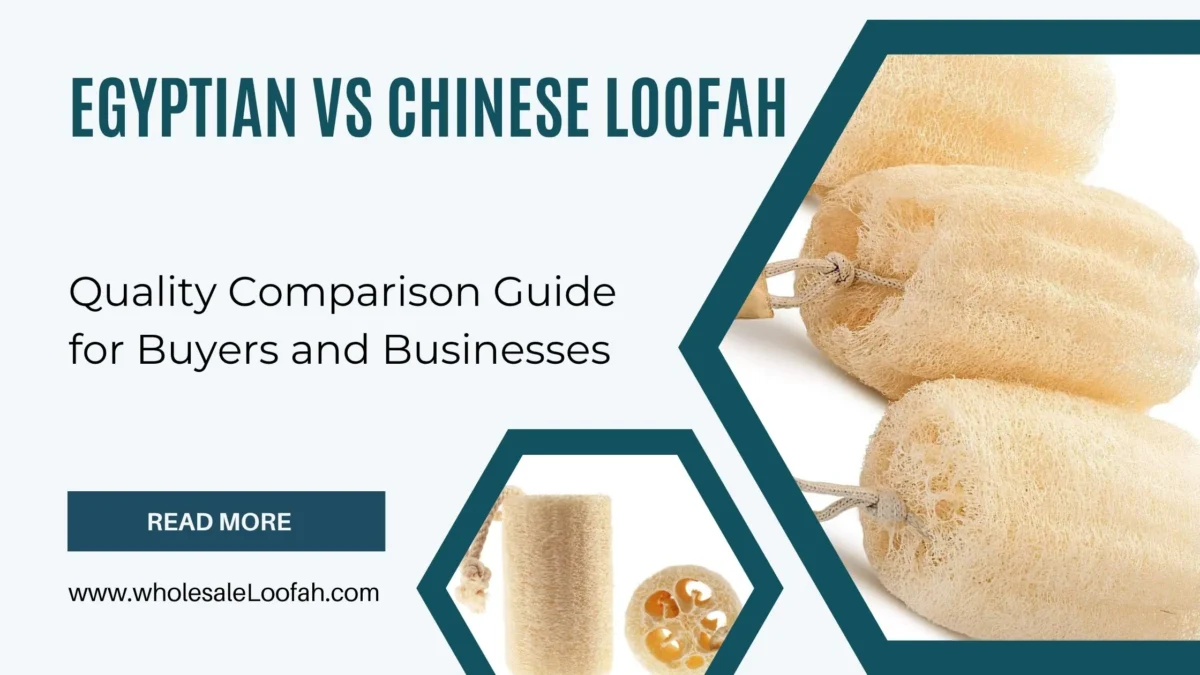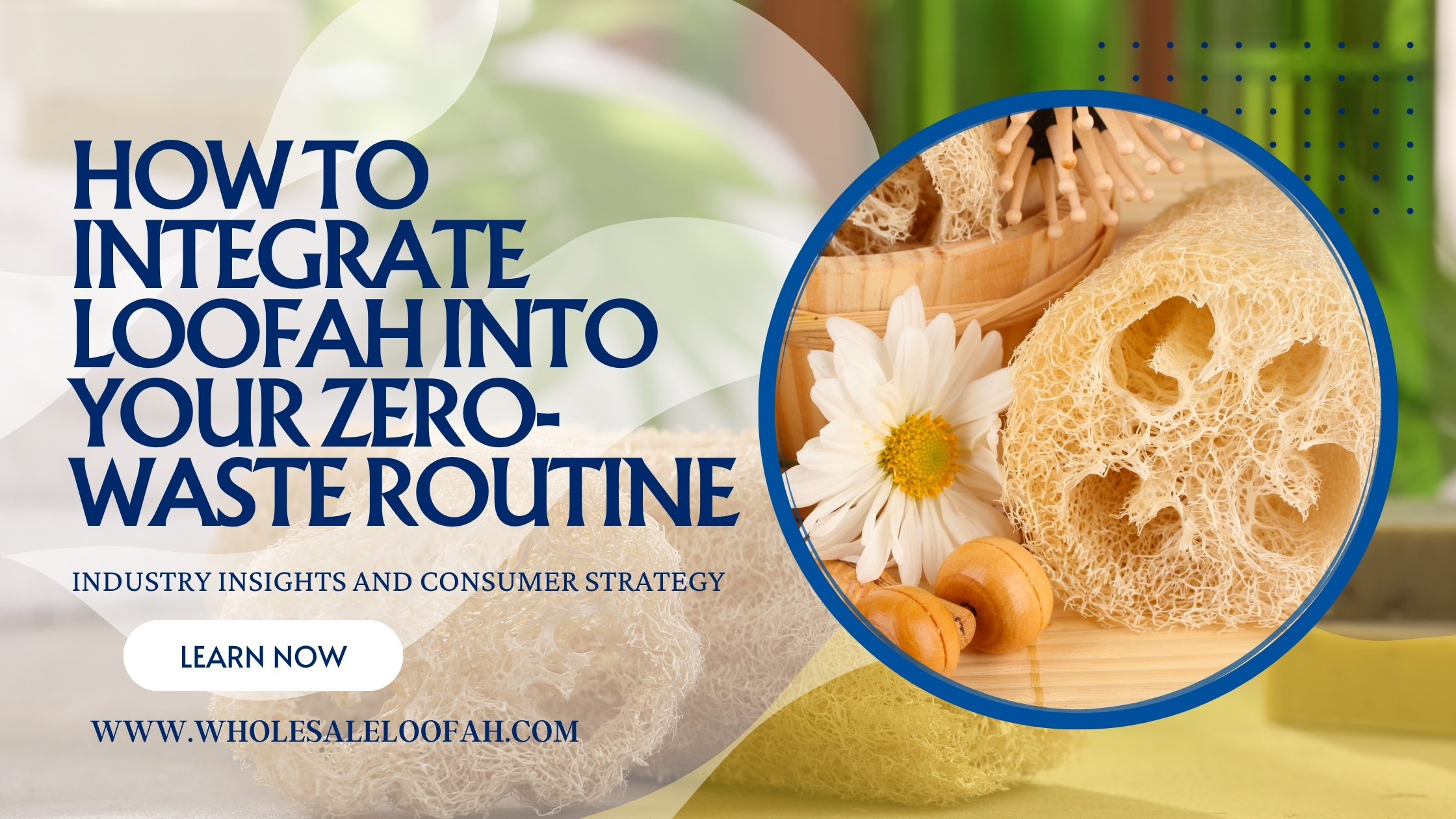
At the center of this market shift is a deceptively simple agricultural product that has been growing in Egyptian fields for generations. Natural loofah, the fibrous interior of the Luffa cylindrica plant, is the product that connects an ancient farming tradition to the urgent modern demand for plastic-free, biodegradable alternatives to synthetic cleaning and personal care tools.
For anyone working to integrate loofah into your zero-waste routine, whether as an individual making intentional household choices or as a business sourcing sustainable products at scale, understanding both the why and the how makes all the difference. This guide approaches the topic from both directions.
You will find practical daily use strategies, evidence-based quality evaluation criteria, wholesale sourcing guidance, and the specific reasons why Egyptian-grown loofah from Egexo stands above what the global commodity market typically delivers. EGEXO has been exporting Egyptian loofah since 2015.
Wholesale buyers ready to explore product options can visit the Egexo products page or connect directly through the wholesale quotation page. Individual consumers and information seekers will find everything needed to build a complete loofah-based zero-waste routine in the sections that follow.
Understanding Natural Loofah as a Zero-Waste Material
Before mapping out a routine, it helps to understand what makes natural loofah structurally suited to zero-waste living. Unlike bamboo, hemp, or cotton, which are processed into fabric, loofah is essentially used in its natural form after a simple drying and cleaning process. The fibrous network that fills the mature Luffa fruit becomes, after harvesting and drying, a ready-made scrubbing tool that requires no petrochemical manufacturing inputs.
The Agricultural and Environmental Profile of Loofah
The Luffa cylindrica plant grows on climbing vines and produces fruit that matures in 90 to 120 days from planting. At maturity, the fruit is harvested, the outer skin is removed, seeds are extracted, and the interior fiber skeleton is dried, cleaned, and cut to specification. The entire process from field to finished product involves minimal energy inputs compared to synthetic sponge manufacturing.
Post-use, natural loofah breaks down in home compost conditions within 30 to 45 days, returning nitrogen and carbon to the soil with no toxic residue. This cradle-to-cradle material profile is exactly what zero-waste frameworks require: a product that begins and ends as an organic material without any phase in between that produces persistent waste.
Loofah Environmental Metrics vs Synthetic Alternatives
| Metric | Natural Loofah | Polyurethane Sponge | Nylon Scrubber |
|---|---|---|---|
| Raw Material Source | Agricultural (plant-based) | Petroleum refining | Petroleum refining |
| Manufacturing Energy | Low | High | High |
| Microplastic Release | None | Yes, each use | Yes, each use |
| Full Biodegradation | 30 to 45 days in compost | 400 to 500 years | 300 to 400 years |
| Chemical Additives | None in natural grade | Often present | Often present |
| End of Life Options | Compost, biodegrade | Landfill only | Landfill only |
| Carbon Impact | Near-neutral (agricultural) | High (petroleum-based) | High (petroleum-based) |
For businesses building sustainability reports or product impact claims, these metrics provide defensible, referenced data points. For consumers, they provide the clarity needed to feel confident that switching to natural loofah is a genuine improvement, not a greenwash.
How to Integrate Loofah into Your Zero-Waste Routine: A Structured Approach
A structured approach to integrating loofah into your zero-waste routine prevents the common failure mode of buying one loofah, using it improperly, getting a subpar experience, and concluding that loofah does not work. The truth is that loofah works exceptionally well when it is the right product for the right application with the right care routine behind it.
Mapping Loofah to Your Actual Habits
The first step is auditing your current plastic cleaning product use. Most households have between five and twelve plastic sponges, scrubbers, or synthetic bath tools in active rotation at any given time. The goal of a zero-waste loofah integration is not to find one loofah that does everything, but to identify the right loofah product for each specific use case.
| Use Case | Recommended Loofah Product | Replacement Frequency |
|---|---|---|
| Body exfoliation in shower | Full cylinder bath loofah (15 to 40 cm) | Every 4 to 6 weeks |
| Gentle facial exfoliation | Thin loofah pad or loofah facial round | Every 3 to 4 weeks |
| Back scrubbing | Long-strip loofah or loofah back strap | Every 4 to 6 weeks |
| Dish and pot scrubbing | Kitchen loofah slice (3 to 5 cm thick) | Every 3 to 4 weeks |
| Vegetable scrubbing | Kitchen loofah slice or mini loofah pad | Every 2 to 3 weeks |
| Pet coat grooming | Pet grooming loofah (sized to animal) | Every 4 to 6 weeks |
| Spa treatment applications | Premium grade full loofah | Per treatment or session |
This table is a useful starting point for both individual households designing a personal routine and retailers helping customers understand which products they need. For a full product range overview, the Egexo product catalog provides detailed specifications across all categories.
Building the Daily Use Routine
Once the right product is selected for each use case, the daily routine establishes itself around a few consistent habits. These habits extend product life, maintain hygiene, and ensure the best functional results from natural loofah.
Before use: Wet the loofah thoroughly in warm water. Dry loofah fiber is stiffer and benefits from 30 to 60 seconds of pre-wetting to reach optimal texture.
During use: Apply product directly to the wet loofah surface. Use consistent circular strokes for exfoliation. Vary pressure based on the sensitivity of the area being cleaned or scrubbed. Loofah does not require aggressive pressure to be effective.
After every use: Rinse completely under running water. Wring out all residual water without twisting the fiber harshly. Hang in a well-ventilated location. Never place a wet loofah in a closed container.
Weekly: Sanitize using a diluted white vinegar soak for five minutes, or a dishwasher cycle for kitchen loofahs. Sun drying for two to three hours provides additional natural bacterial reduction.
At end of life: Cut used loofahs into small sections and add to home compost. This final step closes the zero-waste loop and is what separates loofah from every synthetic alternative on the market.
The Wholesale Perspective: Building a Loofah-Based Sustainable Product Line
For businesses, integrating loofah into your zero-waste routine at scale means building a product line that can serve the growing consumer demand for natural, plastic-free alternatives. The market opportunity is substantial, but the quality of the supply chain determines whether the opportunity translates into business success.
Market Opportunity Overview
Each of these segments has distinct product requirements, but all share a preference for verifiable quality and transparent sourcing. Egexo’s farm to export documentation provides exactly the supply chain transparency that premium segment buyers in all these categories require.
Wholesale Product Specifications
| Product Category | Size Range | MOQ | Standard Grade | Premium Grade Available |
|---|---|---|---|---|
| Bath Body Loofah | 15 to 40 cm length | No minimum order on standard products | B Grade standard | Yes, A Grade and Export |
| Kitchen Loofah Slice | 3 to 5 cm thickness, 10 to 14 cm diameter | No minimum order on standard products | B Grade | Yes, A Grade |
| Raw Loofah Full Cylinder | 30 to 60 cm length | No minimum order on standard products | B Grade | Yes, Export Grade |
| Mini Loofah Pad | 8 to 12 cm | No minimum order on standard products | B Grade | Yes, A Grade |
| Pet Grooming Loofah | 10 to 20 cm | No minimum order on standard products | A Grade standard | Export Grade on request |
| Loofah Back Strip | 60 to 80 cm | No minimum order on standard products | A Grade | Export Grade |
Buyers who want to evaluate product quality before committing to bulk quantities are encouraged to use the sample request service. This allows purchasing managers and product buyers to assess fiber density, color consistency, moisture levels, and overall presentation against their specific standards.
Why Egyptian Loofah Is the Gold Standard for Zero-Waste Products
Not all loofah originates equally. The global loofah supply chain includes producers across the USA, Europe, Canada, Australia, the Gulf and every other country we can ship to, and Africa, with significant variation in agricultural conditions, processing standards, and quality consistency. For buyers building a sustainable product line or for consumers seeking the best natural exfoliant available, Egyptian loofah represents the top tier of what the market offers.
What Makes the Nile Delta Different
The agricultural conditions of the Nile Delta create specific advantages for loofah cultivation. Mineral-rich alluvial soil deposited by the Nile River over millennia provides a nutrient base that supports vigorous plant growth and dense fiber development. Consistent warm temperatures through the growing season enable uniform maturation across the entire fruit, reducing variability in the finished fiber product.
The result is loofah with fiber characteristics that buyers consistently describe as superior in density, elasticity, and appearance to comparable products sourced from other regions.
Pros and Cons: Egyptian Loofah vs Generic Market Alternatives
| Consideration | Egyptian Loofah (Egexo) | Generic Market Loofah |
|---|---|---|
| Fiber Density | High, consistent | Variable, often lower |
| Sizing Consistency | Tight tolerances | Wide variation common |
| Processing Standards | Documented, multi-stage QC | Often undocumented |
| Export Documentation | Complete phytosanitary and customs docs | Inconsistent |
| Moisture Control | Below 12 percent | Often not measured |
| Bleaching Practices | Natural color preserved | Bleaching common |
| Minimum Order Flexibility | Accommodates growth stages | Often rigid high minimums |
| Customization | Private label, custom sizes | Limited or unavailable |
| Sustainability Story | Traceable, documented | Difficult to verify |
Businesses sourcing loofah for premium positioning need the full package: excellent product, clear documentation, and a supplier relationship that supports growth. The why choose Egexo page outlines the complete value proposition for trade buyers evaluating Egyptian supply against alternatives.
Private Label Loofah: The Business Case for Branded Natural Products
One of the most significant opportunities within the natural loofah market is private label positioning. A wellness brand that sells Egyptian loofah under its own name is not selling a commodity. It is selling a story: a specific agricultural origin, a documented quality standard, and a sustainability commitment that can be communicated through packaging, social media, and retail education.
Private label margins on natural loofah are strong. When a premium natural material is repackaged under a recognized wellness brand with appropriate marketing support, retail pricing can reach four to six times the wholesale cost. The product’s inherent quality and sustainability credentials support that premium without requiring constant discounting.
Egexo’s private label loofah manufacturing service handles product sourcing, quality control, packaging, and labeling to brand specifications. For businesses that also want to develop unique product configurations beyond standard catalog items, custom loofah product design offers a collaborative development process to create differentiated products.
For businesses selling through wholesaleloofah.com or evaluating the full trade offering from Egexo, additional wholesale resources are available directly on that platform.
Expert Insight from EGEXO
Loofah from the Nile Delta has characteristics that require explanation to unlock full commercial value. Consumers who understand that the slight color variation in natural loofah is a sign of chemical-free processing, not poor quality, do not return products. Spa guests who understand that natural fiber provides genuine therapeutic exfoliation become advocates for the experience. Retailers who can explain the full lifecycle of natural loofah build credibility that plastic-free product claims alone cannot achieve.
Our recommendation for any business entering the loofah category is to begin with samples, test across your specific use conditions, train your customer-facing staff on the product story, and build your supply relationship on a foundation of quality transparency rather than price alone. The Egyptian loofah market rewards buyers who take quality seriously.
We invite all trade buyers to explore our full documentation at EGEXO quality standards and to engage with EGEXO through the quotation request process.
Frequently Asked Questions
Q1: What is the most effective first step to integrate loofah into your zero-waste routine?
The most effective starting point is replacing your plastic bath sponge with a natural loofah body scrubber. This single change eliminates microplastic shedding during daily bathing, introduces you to the material’s texture and performance, and establishes the care habits, primarily thorough rinsing and hang drying, that apply across all loofah products. Once the bath routine is established, extending loofah use to the kitchen and other applications becomes straightforward.
Q2: How does loofah fiber quality affect performance for end consumers?
Higher-quality loofah with greater fiber density provides more effective exfoliation, holds its structure longer, and dries more efficiently between uses. Premium-grade Egyptian loofah from Egexo performs noticeably better than lower-density alternatives in all three areas. Consumers using lower-grade loofah often experience rapid fiber breakdown, less effective exfoliation, and faster onset of odor due to slower drying. Quality is not just a premium positioning concern; it directly affects the user experience.
Q3: What documentation should a wholesale loofah buyer request before placing their first large order?
Before placing a substantial wholesale order, buyers should request a phytosanitary certificate confirming the product meets agricultural export standards, moisture content test results for the specific batch, a quality grade specification document defining what each grade includes, size tolerance ranges for the product specifications ordered, and any applicable certificates relevant to the importing country’s requirements. Egexo provides all standard export documentation as part of the normal order process.
Q4: Can loofah products be sold through e-commerce platforms without special handling requirements?
Yes. Natural loofah is a non-hazardous, non-perishable agricultural product that ships without special handling requirements under normal storage conditions. The key requirement is maintaining low ambient humidity during storage to prevent moisture uptake that can affect product quality over time. For e-commerce sellers, packaging that allows some air circulation while protecting the product from moisture is preferable to fully sealed airtight packaging.
Q5: How does loofah composting work in a practical household setting?
Used loofahs should be cut into pieces approximately two to three centimeters in size before composting. Smaller pieces decompose faster and integrate more easily into a home compost pile or bin. Add the loofah pieces to your compost alongside other green and brown organic material. Under active composting conditions with adequate moisture and turning, natural loofah fully breaks down in 30 to 45 days. No special preparation is required beyond cutting and ensuring the compost environment is functioning normally.
Q6: What minimum order quantities apply to first-time wholesale buyers from Egexo?
Egexo works with first-time buyers to find an order structure that fits their business stage. No minimum order on standard products. Private label from 1,000 units. For buyers who want to test quality before committing to full MOQ orders, Egexo’s sample request process provides a low-commitment starting point before formal wholesale purchase discussions begin.
Q7: What types of businesses benefit most from adding loofah to their product range?
The strongest performing categories for loofah retail include zero-waste and eco-lifestyle shops, spa and wellness facilities, natural personal care brands, hospitality and hotel amenity programs, pet grooming and care retailers, and online wellness direct-to-consumer brands. Any business serving a customer base that prioritizes sustainability, natural materials, and plastic-free alternatives is well-positioned to benefit from adding quality natural loofah to its product offering.
Conclusion
Integrating loofah into a zero-waste routine is one of the most straightforward and immediately impactful sustainable changes available to both households and businesses. The material is proven, the supply chain is established, and the consumer demand is growing. What remains is execution: choosing the right product, establishing proper care habits, and sourcing from a supplier whose quality standards match the commitment being made to sustainability.
Egyptian loofah from Egexo provides the product foundation that makes this commitment credible.
Key Takeaways:
- Natural loofah eliminates microplastics, biodegrades in 30 to 45 days, and matches synthetic sponges in functional lifespan
- A use-case-specific product selection, matching loofah type to each application, delivers the best performance outcomes
- Egyptian Nile Delta loofah leads the global market in fiber density, sizing consistency, and processing standards
- Wholesale buyers need quality documentation, flexible MOQs, and a supplier who understands their market segment
- Private label loofah from Egexo enables businesses to build differentiated sustainable product lines with strong margin potential
Ready to experience Egyptian loofah quality?
- For Wholesale Buyers: Request a quote or download our catalog
- For Individual Orders: Browse our collection or order samples