The global bath and body products market is experiencing a remarkable shift. Consumers are moving away from synthetic materials and embracing natural alternatives at an unprecedented rate. In this transformation, one product stands out as both environmentally sustainable and highly profitable: the natural loofah sponge. let’s start Profitable Loofah Business.
Starting a loofah business in 2025 presents an exceptional opportunity for entrepreneurs, retailers, and distributors who want to tap into a growing market that shows no signs of slowing down. Whether you’re a small business owner exploring product ideas or an established wholesaler looking to expand your catalog, the loofah industry offers multiple pathways to profitability.
This comprehensive guide will walk you through everything you need to know about building a successful loofah business, from understanding market dynamics to establishing supplier relationships and scaling your operations.
Why the Loofah Industry is Booming Right Now
The natural products movement has transformed from a niche trend into a mainstream consumer priority. Recent market research indicates that the natural bath and body products sector has grown by 18% annually since 2020, with projections suggesting continued expansion through 2030.
Three key factors drive this growth. First, environmental consciousness has reached critical mass. Consumers increasingly understand that plastic shower poufs and synthetic sponges contribute to microplastic pollution and landfill waste. Second, social media platforms have amplified awareness about sustainable living, making natural loofah sponges visible to millions of potential customers. Third, the wellness industry has embraced exfoliating sponges as essential tools for skin health, expanding the market beyond basic cleaning supplies.
The numbers tell a compelling story. A 2024 consumer survey revealed that 67% of respondents actively seek natural alternatives to synthetic bathroom products. More importantly, these consumers demonstrate brand loyalty and willingness to pay premium prices for authentic, high-quality natural loofah products.
What Sets Natural Loofah Apart as the Superior Choice
Before diving into business mechanics, you need to understand why natural loofah represents the best choice in the cleaning sponge category. This knowledge will form the foundation of your marketing message and help you communicate value to potential customers.
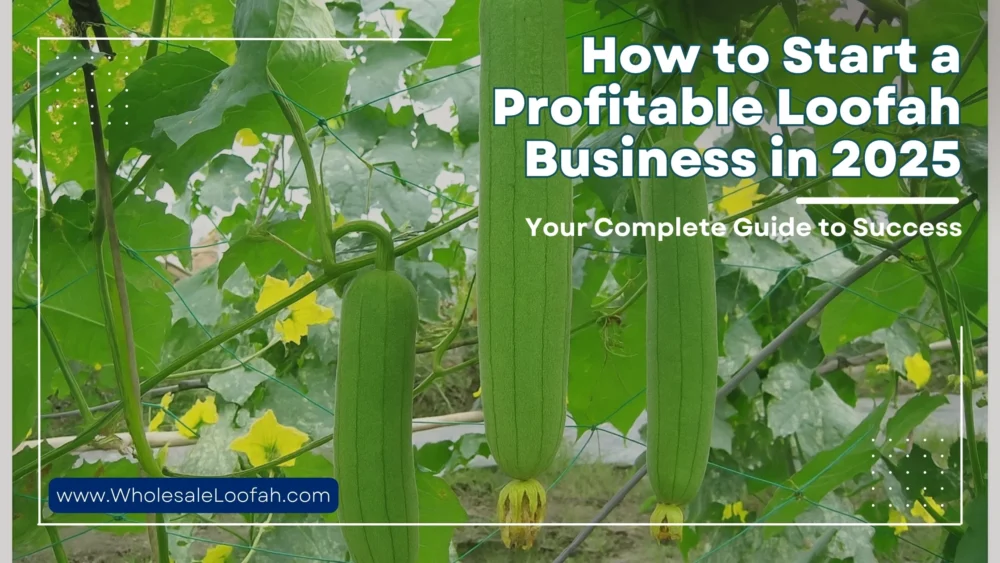
Natural loofah sponges come from the luffa plant, a member of the cucumber family. Unlike synthetic alternatives, these sponges are completely biodegradable, breaking down naturally within weeks after disposal. This environmental benefit resonates deeply with today’s eco-conscious consumers who want to reduce their ecological footprint.
The performance advantages are equally impressive. Natural loofah provides superior exfoliation compared to synthetic materials, effectively removing dead skin cells while stimulating circulation. The texture softens when wet but maintains enough structure to deliver effective cleaning without causing irritation. Dermatologists frequently recommend natural loofah for patients seeking gentle yet effective exfoliation methods.
Egyptian loofah, in particular, represents the gold standard in the industry. Egypt’s climate produces loofahs with ideal fiber density and durability. The country’s long cultivation history means Egyptian farmers have perfected growing techniques that consistently yield premium quality products. When you source Egyptian loofah, you’re accessing a product with built-in market credibility.
Understanding Your Target Market and Customer Segments
A profitable loofah business requires clear understanding of who will buy your products and why. The market divides into several distinct segments, each with unique needs and purchasing behaviors.
The retail consumer segment includes individuals shopping for personal use. These customers typically purchase through e-commerce platforms, local boutiques, or wellness stores. They value product quality, sustainability credentials, and attractive packaging. Price sensitivity varies, with many willing to pay premium prices for demonstrably superior products.
The hospitality and spa industry represents a substantial B2B opportunity. Hotels, resorts, spas, and wellness centers purchase loofahs in bulk for guest amenities or treatment services. These buyers prioritize consistency, reliable supply chains, and competitive wholesale pricing. Building relationships in this segment can provide steady, predictable revenue streams.
Pet grooming businesses have discovered that natural loofah works exceptionally well for bathing dogs and other animals. The gentle yet effective texture makes it ideal for pet care applications. This niche segment often goes overlooked by competitors, creating opportunities for businesses that actively target it.
Kitchen and household cleaning represents another growing segment. Consumers increasingly recognize that natural loofah works beautifully for dish washing and surface cleaning, offering an eco-friendly alternative to plastic scrubbers. This application expands your potential market beyond bathroom products.
Geographic considerations matter significantly. Markets in the United States, Canada, Australia, New Zealand, and the European Union show particularly strong demand for natural bath and body products. These regions combine environmental awareness, disposable income, and developed e-commerce infrastructure.
Building Your Business Foundation: Critical First Steps
Starting any business requires methodical planning, but the loofah industry presents some unique considerations that will determine your ultimate success or failure.
Should You Manufacture, Import, or Resell?
Your first major decision involves choosing your business model. Most successful loofah businesses operate as importers and distributors rather than attempting to grow and process loofahs themselves. Manufacturing requires significant capital investment, agricultural expertise, and processing facilities. Unless you’re located in an ideal growing climate with relevant experience, importing represents the more practical path.
The import and distribution model allows you to focus on what matters most: building customer relationships, developing your brand, and executing effective marketing strategies. You’ll partner with established suppliers who handle cultivation and processing while you concentrate on bringing quality products to market.
Some entrepreneurs begin by reselling loofah products from existing wholesalers before transitioning to direct importing as their business scales. This approach minimizes initial risk while allowing you to test the market and understand customer preferences.
Selecting the Right Supplier Partnership
Your supplier relationship will make or break your business. Quality inconsistencies, unreliable delivery schedules, or communication problems create cascading issues that damage customer relationships and erode profitability.
When evaluating potential suppliers, prioritize these critical factors. First, verify their quality control processes. Reputable suppliers implement rigorous quality standards that ensure consistent product specifications across shipments. Request samples before committing to large orders. Examine fiber quality, uniformity, cleanliness, and overall construction.
Second, assess their production capacity and reliability. Your business growth depends on steady product availability. Suppliers should demonstrate the ability to scale production as your order volumes increase while maintaining quality standards. Ask about their farming operations, processing facilities, and inventory management systems.
Third, evaluate their understanding of international trade and export procedures. Experienced suppliers handle documentation, comply with import regulations, and ship efficiently to minimize delays. They should offer transparent communication about order status and proactively address potential issues.
Many successful loofah businesses partner with suppliers who offer additional services beyond basic product supply. Private labeling allows you to build brand recognition by placing your company name and branding on products. Custom product design enables you to differentiate your offerings with unique shapes, sizes, or product combinations that competitors don’t provide.
Understanding Investment Requirements
Starting a loofah business requires less capital than many other product-based ventures, but you still need realistic financial planning. Your initial investment will cover several key areas.
Inventory represents your largest upfront cost. Minimum order quantities from international suppliers typically range from 500 to 2000 units depending on product types. Wholesale costs for quality natural loofah generally fall between $0.50 and $3.00 per unit based on size, grade, and processing. Budget for initial inventory investment between $1,000 and $5,000 for starting operations.
Business registration, licensing, and legal costs vary by location but generally total $500 to $2,000. If you’re importing directly, factor in customs duties and import fees, which vary based on product classification and country of origin. Working with an experienced supplier who understands these requirements helps minimize surprises.
Marketing and branding expenses deserve careful attention. Professional product photography, website development, packaging design, and initial advertising campaigns typically require $2,000 to $10,000 depending on your approach. Many successful businesses begin modestly and reinvest profits into marketing as revenue grows.
Storage and fulfillment infrastructure needs scale with your business model. Operating from home initially minimizes costs, while larger operations may require warehouse space and shipping infrastructure. E-commerce sellers can leverage fulfillment services that handle storage, packing, and shipping for per-unit fees.
Creating Your Product Line Strategy
The most successful loofah businesses offer diversified product lines that serve multiple customer needs and price points. This approach maximizes market reach while providing natural upsell and cross-sell opportunities.
Bath and body loofahs form the core of most product lines. Offer various sizes from compact facial rounds to full-length back scrubbers. Different density grades appeal to different preferences, with softer options for sensitive skin and firmer varieties for intensive exfoliation. Consider offering loofah soaps, which combine natural sponges with embedded cleansers for added convenience.
Expand into kitchen and household applications to capture customers seeking plastic-free cleaning solutions. Kitchen loofahs designed for dish washing and pot scrubbing appeal to environmentally conscious home cooks. Market these products as durable, effective, and completely biodegradable alternatives to synthetic sponges.
Pet and spa grooming loofahs represent an often-overlooked opportunity. Dog grooming businesses and pet owners appreciate natural options for bathing animals. The texture works effectively on pet fur while being gentle enough for regular use. Position these products specifically for the pet care market with appropriate packaging and marketing.
Some businesses successfully incorporate raw loofah scrubbers for customers who prefer unprocessed, natural materials. These products appeal to craftspeople who want to cut and shape loofahs for specific applications or create handmade products.
What Are the Keys to Effective Loofah Marketing?
Marketing determines whether your business thrives or merely survives. The natural products market is competitive, so effective differentiation and customer communication are essential.
Content marketing provides exceptional returns for loofah businesses. Create educational content that helps customers understand the benefits of natural loofah, proper usage techniques, and care instructions. Blog posts, videos, and social media content that genuinely helps people builds trust and positions your business as an authority.
Visual marketing carries particular importance in this industry. High-quality product photography showcasing texture, color variations, and real-world usage creates emotional connections with potential customers. User-generated content showing actual customers using your products provides authentic social proof that paid advertising cannot replicate.
Sustainability messaging resonates powerfully with your target audience. Clearly communicate the environmental benefits of choosing natural loofah over synthetic alternatives. Quantify the impact when possible, explaining how many plastic sponges each loofah replaces or how quickly natural loofah biodegrades compared to synthetic options.
Strategic partnerships amplify your reach efficiently. Connect with eco-friendly retailers, zero-waste stores, wellness centers, and spa owners. Many of these businesses actively seek suppliers for natural products that align with their brand values. B2B relationships often provide more stable revenue than consumer sales alone.
How Do You Scale from Startup to Profitable Operations?
The path from initial launch to sustainable profitability requires strategic thinking and disciplined execution. Many businesses fail not from lack of market opportunity but from scaling too quickly or too slowly.
Start by thoroughly testing your market before committing to large inventory investments. Order samples, sell through multiple channels, and gather customer feedback. This research phase helps you understand which products resonate most strongly and identify your most effective marketing approaches.
Focus on one or two core products initially rather than attempting to offer everything immediately. Master the fundamentals of sourcing, quality control, customer service, and fulfillment with limited complexity. Expand your product line as you build operational competency and understand customer preferences.
Build systems and processes that can scale with your growth. Document your supplier relationships, quality inspection procedures, inventory management practices, and customer communication protocols. These systems prevent quality degradation as order volumes increase.
Financial discipline separates successful businesses from those that struggle despite strong sales. Track your true costs including product, shipping, marketing, and time. Many new businesses underprice products by failing to account for all expenses. Calculate realistic margins that support sustainable growth.
Navigating Common Challenges in the Loofah Business
Every business encounters obstacles, but understanding common challenges allows you to prepare effective responses rather than reacting in crisis mode.
Quality consistency presents an ongoing challenge when working with natural products. Agricultural products inherently show some variation, and different growing seasons produce different characteristics. Address this by establishing clear quality specifications with suppliers and implementing rigorous inspection procedures. Reject shipments that don’t meet standards rather than compromising your brand reputation with inferior products.
Competition from synthetic alternatives and low-quality imports requires clear differentiation. Many consumers don’t initially understand the difference between natural loofah and plastic imitations. Your marketing must educate customers about these distinctions while emphasizing the superior quality and environmental benefits of authentic natural loofah.
Seasonal demand fluctuations affect many businesses in the bath and body category. Holiday shopping periods typically see increased sales, while summer months may be slower. Plan inventory and cash flow to accommodate these patterns. Consider developing products that appeal during traditionally slower periods.
International shipping logistics can create headaches without experienced partners. Delays, customs issues, and documentation problems disrupt operations. Working with suppliers who have proven export processes, like those who transparently share their farm to export process, minimizes these risks.
Is the Loofah Business Right for You?
Before investing time and capital, honestly assess whether this business aligns with your goals, resources, and interests. The loofah industry offers genuine opportunities, but success requires specific commitments.
This business suits entrepreneurs who genuinely care about environmental sustainability. Your authentic passion for natural products will shine through in your marketing and customer interactions. Consumers detect and respond to genuine commitment rather than opportunistic greenwashing.
Success requires patience and persistence. Building distribution relationships, establishing brand recognition, and developing reliable systems takes time. Businesses that approach this as a get-rich-quick opportunity typically fail, while those committed to building long-term value succeed.
You’ll need basic business skills including customer service, financial management, and marketing. You don’t need to be an expert in every area, but you should be willing to learn and potentially hire expertise as your business grows.
Frequently Asked Questions About Starting a Loofah Business
How much money do I need to start a loofah business?
Most people can start a basic loofah business with $3,000 to $10,000 in initial investment. This covers your first inventory order, basic business registration, simple website setup, and initial marketing efforts. You can begin smaller by reselling products from established wholesalers before transitioning to direct importing as your business grows. The relatively low startup costs make this an accessible business for entrepreneurs with limited capital.
Where should I source my loofah products?
Egypt produces the highest quality loofah sponges in the world due to ideal growing conditions and centuries of cultivation expertise. When selecting a supplier, prioritize those with transparent quality control processes, proven export experience, and reliable communication. Look for suppliers who offer additional services like private labeling and custom product design to help differentiate your offerings. Requesting samples before placing large orders helps verify quality firsthand.
What is the profit margin in loofah business?
Typical profit margins in the loofah business range from 100% to 400% depending on your business model, target market, and operational efficiency. Wholesale costs for quality natural loofah generally range from $0.50 to $3.00 per unit, while retail prices typically fall between $3.00 and $15.00 depending on product type and size. B2B sales to retailers or hospitality clients usually operate on lower margins but higher volumes, while direct-to-consumer sales offer higher margins per unit.
Do I need special licenses to sell loofah products?
Basic business licensing requirements vary by location but typically include a general business license and potentially a seller’s permit if operating in a jurisdiction with sales tax. If importing directly, you’ll need an importer number and compliance with customs regulations. Products marketed with specific health claims may face additional regulatory requirements. Most loofah businesses operate as standard retail or wholesale operations without specialized licensing beyond normal business requirements.
How long does it take to become profitable?
Most loofah businesses reach profitability within 6 to 12 months when properly planned and executed. Your timeline depends on several factors including initial investment, marketing effectiveness, pricing strategy, and sales channels. Businesses that secure wholesale accounts with retailers or hospitality clients often achieve profitability faster due to larger order volumes. Direct-to-consumer models may take longer to build customer bases but often achieve higher per-unit profits once established.
What makes natural loofah better than synthetic sponges?
Natural loofah offers multiple advantages over synthetic alternatives. It provides superior exfoliation that effectively removes dead skin cells while stimulating circulation. The material is completely biodegradable, breaking down naturally within weeks compared to synthetic sponges that persist in landfills for years. Natural loofah lasts longer than many synthetic options when properly cared for, offering better value despite potentially higher initial costs. Many dermatologists recommend natural loofah for patients seeking effective yet gentle exfoliation.
Can I sell loofah products online?
Online sales represent one of the most effective channels for loofah businesses. E-commerce platforms like Shopify, Amazon, Etsy, and your own website allow you to reach customers globally without physical retail space. The relatively small size and light weight of loofah products keeps shipping costs manageable. Focus on high-quality product photography, detailed descriptions emphasizing natural and environmental benefits, and customer reviews to build credibility. Many successful loofah businesses operate exclusively online.
What is the difference between Egyptian loofah and other varieties?
Egyptian loofah is widely considered the highest quality available due to Egypt’s ideal growing climate and centuries of cultivation expertise. The country’s hot, dry conditions produce loofahs with optimal fiber density, durability, and texture. Egyptian farmers have perfected cultivation and processing techniques that consistently yield premium products. Other growing regions produce acceptable loofahs, but Egyptian varieties typically command premium prices and stronger customer loyalty due to their proven quality reputation.
Taking Your First Steps Toward a Profitable Loofah Business
The opportunity in the natural loofah market has never been stronger. Consumer demand for sustainable, effective, and environmentally responsible products continues accelerating. The competitive landscape remains accessible for new entrants who approach the business strategically and commit to delivering genuine value.
Success begins with thorough preparation. Research your target market, understand your potential customers, and study successful businesses already operating in this space. Connect with quality suppliers who can support your growth while maintaining product standards. Build a realistic financial plan that accounts for true costs and sustainable pricing.
Remember that the natural loofah represents inherently superior qualities compared to synthetic alternatives. Your role is not to convince customers to buy inferior products, but rather to educate them about the benefits of choosing natural options and to make high-quality products accessible through your business.
Start small, learn continuously, and scale methodically. The businesses that thrive in this industry are those that genuinely care about their products, their customers, and the environmental impact of their operations. If you bring authentic commitment to building a quality-focused, customer-centered business, the loofah industry offers substantial opportunities for profitability and growth.
The market is ready. The opportunity is real. The question is simply whether you’re ready to take action and build your profitable loofah business in 2025.
For those ready to move forward, exploring comprehensive resources about product options, quality standards, and supplier relationships provides the foundation for informed decisions. Visit Egexo’s complete product catalog to see the range of possibilities available or learn more about Egyptian loofah wholesale to understand what separates premium suppliers from ordinary vendors.
Your profitable loofah business journey starts with a single decision to take action. The rest unfolds through consistent effort, strategic thinking, and commitment to excellence.
Ready to Get Started? Your Next Steps
Now that you understand the fundamentals of building a profitable loofah business, it’s time to take concrete action. Whether you’re ready to place your first order or still gathering information, these resources will help you move forward with confidence.
Explore Product Options
Download the comprehensive EGEXO Product Catalog to see the full range of natural Egyptian loofah products available. This detailed catalog includes specifications, sizing options, and product variations to help you plan your initial inventory and understand what’s possible for your business.
Test Quality Firsthand
Before committing to large orders, order product samples to evaluate quality, texture, and construction yourself. Testing samples allows you to make informed decisions and ensures you’re confident in the products you’ll be selling to your customers.
Get Custom Pricing
Every business has unique needs and order volumes. Request a wholesale quote tailored to your specific requirements, whether you’re starting small or planning larger initial orders. Custom quotes help you understand true costs and plan realistic profit margins.
Ask Questions and Plan Your Strategy
Have questions about minimum orders, shipping timelines, private labeling, or custom product options? Contact the team directly to discuss your business plans and get expert guidance on building your supplier relationship.
Your profitable loofah business journey starts with a single decision to take action. The rest unfolds through consistent effort, strategic thinking, and commitment to excellence.