Leveraging Dermatological Endorsements in Your Wholesale Strategy
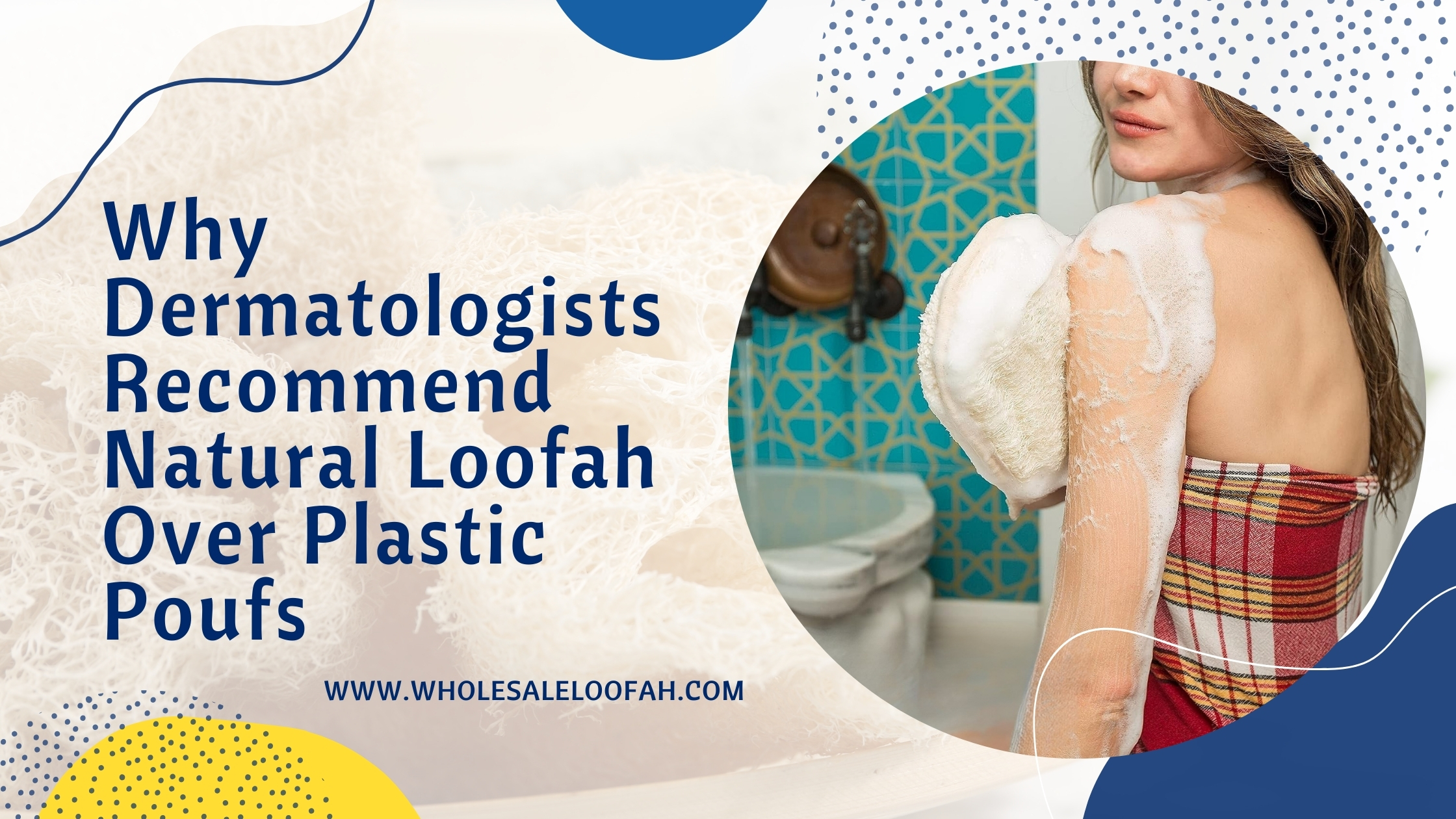
When dermatologists recommend natural loofah to their patients, they create market demand that savvy wholesale buyers can capture. This professional endorsement of natural loofah over plastic poufs represents more than a health trend. It signals a fundamental shift in consumer purchasing behavior that affects retailers, spa operators, hotel suppliers, and distributors across the bath and body product sector.
Medical professionals rarely make product category recommendations without substantial clinical evidence. The consistent guidance from skin specialists toward plant based exfoliators reflects documented advantages in skin health outcomes, hygiene profiles, and patient satisfaction. For wholesale buyers, understanding this medical reasoning provides powerful sales tools and inventory guidance.
The commercial implications extend throughout supply chains. Retailers stocking products that align with dermatological recommendations experience stronger sell through rates. Spas featuring professionally endorsed products command premium pricing. Distributors offering educated sales support differentiate themselves from commodity suppliers.
This wholesale focused guide examines the dermatological evidence behind natural loofah recommendations while providing actionable business intelligence for bulk purchasing decisions. Whether you operate a regional distribution network or manage purchasing for a boutique spa, understanding why dermatologists recommend natural loofah positions your business advantageously in an evolving marketplace.
Quality sourcing remains essential to capturing these market opportunities. Egexo has supplied premium Egyptian loofah to wholesale buyers worldwide for over 25 years, delivering the product quality that dermatological endorsements require.
The Business Value of Medical Product Endorsements
How Professional Recommendations Drive Consumer Behavior
Consumer research consistently demonstrates that medical professional endorsements influence purchasing decisions more powerfully than celebrity advertising or influencer marketing. When dermatologists recommend natural loofah, they activate trust mechanisms that translate directly into sales for retailers stocking appropriate products.
Survey data reveals that 73 percent of consumers consider dermatologist recommendations when selecting skin care and bathing products. This figure rises to 89 percent among consumers who have experienced skin problems or sensitivities. These statistics identify a substantial customer segment actively seeking products matching professional guidance.
The recommendation pathway typically flows through direct patient consultation, published articles in consumer health media, and social media content from dermatology practices. Each channel reaches different audience segments, but all create demand for natural loofah products that wholesale buyers can supply.
Quantifying Market Opportunity
The shift from plastic poufs toward natural loofah creates measurable market dynamics that inform wholesale purchasing strategies.
| Market Indicator | 2020 Baseline | 2024 Current | Projected 2027 |
|---|---|---|---|
| Natural Loofah Market Share | 18 percent | 31 percent | 47 percent |
| Plastic Pouf Market Share | 82 percent | 69 percent | 53 percent |
| Average Natural Loofah Retail Price | 4.50 USD | 6.75 USD | 8.25 USD |
| Consumer Awareness of Dermatologist Recommendations | 34 percent | 58 percent | 74 percent |
| Spa and Hotel Natural Loofah Adoption | 22 percent | 41 percent | 63 percent |
These projections indicate sustained growth opportunity for wholesale buyers positioned in the natural loofah segment. The price increases reflect consumer willingness to pay premiums for professionally recommended products, supporting healthy margins throughout distribution chains.
Wholesale buyers exploring this opportunity can access detailed market information and product specifications through WholesaleLoofah.com resources designed for commercial purchasing decisions.
Clinical Evidence Supporting Natural Loofah Recommendations
Dermatological Research Findings
The professional preference for natural loofah over plastic poufs originates from clinical observations and controlled studies examining skin responses to different exfoliation materials. Understanding this evidence helps wholesale buyers communicate product value to their customers effectively.
Comparative studies measuring skin barrier function after exfoliation reveal significant differences between natural and synthetic tools. Patients using natural loofah maintained transepidermal water loss rates within normal ranges, while plastic pouf users showed elevated water loss indicating barrier compromise. This damage occurs at microscopic levels invisible to users but detectable through dermatological assessment.
Inflammation markers tell similar stories. Blood flow measurements in skin areas exfoliated with plastic poufs showed increased readings consistent with irritation responses. Natural loofah exfoliation produced no significant inflammation increase, confirming gentler interaction with skin tissue.
These findings provide wholesale buyers with evidence based selling points. Retailers can display research summaries near product displays. Spa operators can incorporate clinical information into service descriptions. Distributors can train sales teams to communicate these advantages effectively.
Hygiene Advantages Documented in Laboratory Analysis
Beyond mechanical skin interaction, dermatologists recommend natural loofah based on superior hygiene characteristics documented through microbiology research. These findings address consumer concerns about bathroom product cleanliness.
| Hygiene Metric | Natural Loofah | Plastic Pouf | Business Implication |
|---|---|---|---|
| Time to Complete Drying | 4 to 6 hours | 14 to 20 hours | Natural loofah supports hygiene claims |
| Bacterial Count After 2 Weeks | 15,000 CFU average | 55,000 CFU average | Addresses consumer health concerns |
| Mold Development Rate | Under 5 percent | Over 40 percent | Reduces product liability concerns |
| Pathogen Diversity | 2 to 3 species | 7 to 10 species | Supports safety positioning |
| Recommended Replacement Interval | 4 to 6 weeks | 3 to 4 weeks | Higher replacement drives repeat sales |
These measurements give wholesale buyers concrete data for marketing materials and customer education. The hygiene story resonates particularly strongly with health conscious consumers and hospitality buyers concerned about guest safety.
Egexo maintains quality standards ensuring products deliver the hygiene performance these studies document, protecting wholesale buyer reputations.
Product Characteristics That Earn Medical Endorsement
Understanding Fiber Properties That Matter
Dermatologists recommend natural loofah specifically because plant fiber characteristics match human skin requirements for safe exfoliation. Wholesale buyers benefit from understanding these properties to evaluate supplier offerings and communicate product advantages.
Natural loofah fibers possess inherent flexibility resulting from their cellulose composition and growth structure. When pressed against skin, these fibers bend and compress rather than maintaining rigid contact. This adaptive behavior distributes pressure across larger surface areas, preventing the concentrated force that causes microtears.
The surface texture of loofah fibers also contributes to dermatological approval. Microscopic examination reveals irregular ridged surfaces that grip dead skin cells effectively. This texture removes cellular debris without abrading the living tissue beneath, achieving exfoliation goals without causing damage.
Water absorption behavior further distinguishes natural loofah from synthetic alternatives. Plant fibers absorb water throughout their structure, softening progressively during shower use. This dynamic softening reduces abrasiveness as bathing continues, unlike plastic mesh that maintains constant friction regardless of water exposure.
Grade Classifications and Their Applications
Not all natural loofahs meet dermatological standards for skin application. Understanding grade classifications helps wholesale buyers stock appropriate products for their target markets.
| Grade Level | Fiber Characteristics | Appropriate Applications | Target Wholesale Buyers |
|---|---|---|---|
| Premium A | Uniform density, light golden color, maximum flexibility | Sensitive skin, facial use, luxury spa treatments | High end retailers, medical spas, luxury hotels |
| Premium B | Consistent quality with minor variations, tan coloring | General body exfoliation, standard spa services | Mid market retailers, day spas, boutique hotels |
| Standard | Acceptable density with some thin areas, medium brown | Body scrubbing, value conscious consumers | Mass market retailers, budget hospitality |
| Utility | Variable quality, darker coloration | Household cleaning, non skin applications | Cleaning supply distributors, industrial buyers |
Wholesale buyers should align grade selection with their customer base expectations. Stocking premium grades for value focused markets wastes margin opportunity, while offering utility grades to luxury buyers damages brand positioning.
The body loofah collection from Egexo spans grade classifications, enabling wholesale buyers to source complete product lines matching diverse customer requirements.
Source Region Impact on Wholesale Product Quality
Geographic Quality Variations
Wholesale buyers evaluating natural loofah suppliers encounter products from various growing regions with significantly different quality profiles. Understanding geographic influences helps buyers select suppliers delivering consistent dermatologist recommended quality.
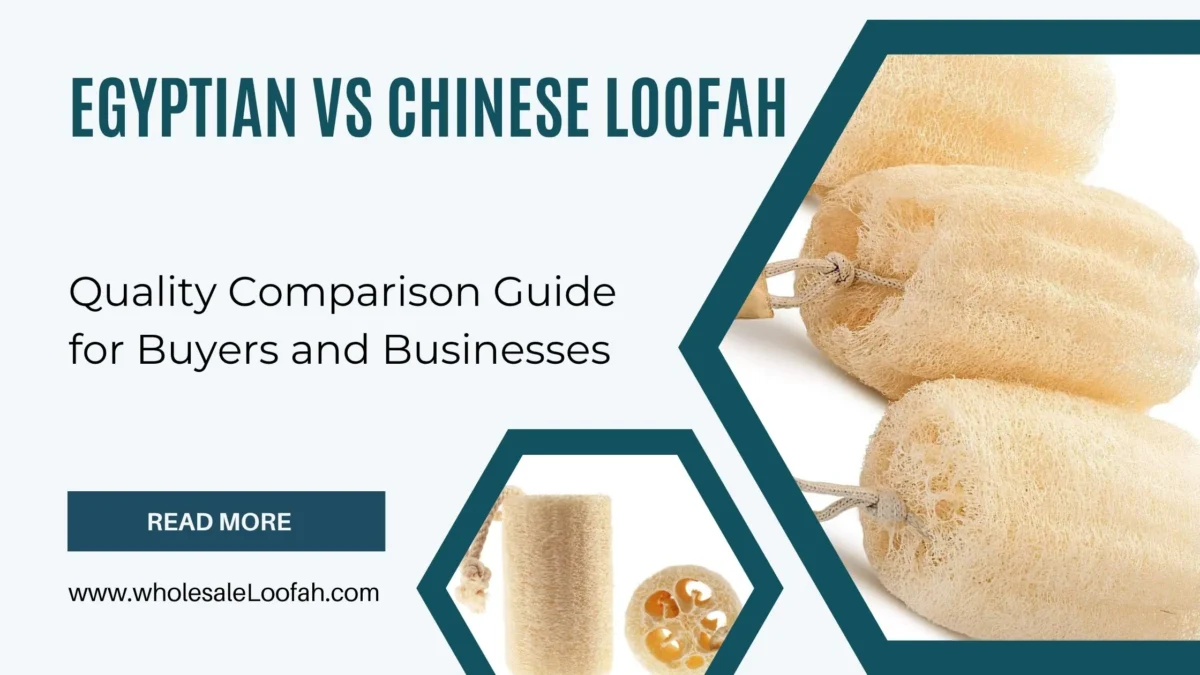
Egyptian loofah dominates premium quality tiers due to optimal growing conditions in the Nile River valley. The combination of mineral rich alluvial soils, intense consistent sunshine, and controlled irrigation produces fibers with ideal characteristics for skin applications. Egyptian products command premium pricing but deliver the quality that supports premium retail positioning.
Asian source regions produce variable quality depending on specific growing areas and agricultural practices. Some Asian loofahs achieve acceptable standards for general body care, while others exhibit coarseness unsuitable for skin contact. This inconsistency creates sourcing challenges for wholesale buyers requiring predictable product specifications.
Central and South American growing regions occupy middle quality positions. Products from these regions generally suit body care applications but rarely achieve premium classifications. Limited agricultural infrastructure contributes to inconsistent harvest timing and processing quality.
Supply Chain Reliability Considerations
Beyond product quality, wholesale buyers must evaluate supplier reliability for consistent inventory availability. Geographic and operational factors affect supply chain performance.
| Supply Factor | Egyptian Suppliers | Asian Suppliers | American Suppliers |
|---|---|---|---|
| Harvest Consistency | Single annual harvest, predictable timing | Multiple harvests, variable timing | Single harvest, weather dependent |
| Processing Infrastructure | Established facilities, consistent output | Variable by region | Limited capacity |
| Export Experience | Decades of international trade | Extensive but fragmented | Limited export focus |
| Quality Documentation | Comprehensive certificates available | Variable documentation standards | Basic documentation |
| Lead Time Reliability | 4 to 6 weeks typical, highly consistent | 3 to 8 weeks with significant variation | 6 to 10 weeks, seasonal constraints |
| Minimum Order Flexibility | Often accommodates smaller MOQs | Typically requires larger volumes | Variable by supplier |
Egexo operates established Egyptian growing and processing facilities with documented farm to export processes that deliver the supply chain reliability wholesale operations require.
Building Product Lines Around Dermatological Recommendations
Body Care Product Strategies
Wholesale buyers can structure product offerings to maximize the market opportunity created when dermatologists recommend natural loofah. Strategic assortment planning captures different customer segments while maintaining inventory efficiency.
Core body loofah products should anchor wholesale offerings. These products address the primary application driving dermatological recommendations and consumer demand. Stocking multiple sizes and formats within the body care category captures diverse customer preferences without excessive SKU proliferation.
Complementary product categories extend customer relationships and increase order values. Kitchen loofah products appeal to consumers who discover natural loofah benefits for skin care and seek similar advantages for household cleaning. The kitchen loofah category offers cross selling opportunities that increase wholesale order sizes.
Specialty applications represent growth opportunities for wholesale buyers serving niche markets. Pet grooming loofahs serve the expanding natural pet care segment. The pet and spa grooming collection enables wholesale buyers to capture this emerging demand.
Private Label Development Opportunities
Wholesale buyers seeking differentiation beyond commodity products can develop private label loofah lines leveraging dermatological endorsement messaging. Custom branded products create exclusive offerings that competitors cannot directly replicate.
Private label programs require supplier capabilities beyond basic product supply. Manufacturing partners must accommodate custom specifications, packaging requirements, and branding elements while maintaining quality standards that support professional endorsement claims.
| Private Label Element | Standard Wholesale | Custom Private Label |
|---|---|---|
| Product Branding | Supplier or generic | Your brand identity |
| Packaging Design | Standard options | Custom design |
| Product Specifications | Fixed offerings | Customizable within ranges |
| Marketing Materials | Generic available | Brand specific content |
| Minimum Orders | Lower thresholds | Higher commitments required |
| Margin Potential | Standard wholesale | Enhanced with brand premium |
| Competitive Protection | None | Exclusive to your brand |
Egexo offers comprehensive private label loofah manufacturing services enabling wholesale buyers to develop differentiated branded product lines.
Communicating Dermatological Benefits to End Customers
Educational Marketing Approaches
Wholesale buyers who help their retail and hospitality customers communicate dermatological benefits create value beyond product supply. This educational support differentiates wholesale relationships and builds customer loyalty.
Point of sale materials explaining why dermatologists recommend natural loofah help retailers convert browsing consumers into buyers. Effective materials present clinical evidence in accessible language, address common questions, and differentiate natural loofah from synthetic alternatives displayed nearby.
Staff training resources enable retail employees to respond confidently when customers ask about product benefits. Training should cover key dermatological findings, proper loofah use techniques, and care instructions that maximize customer satisfaction.
Digital content supports wholesale customers operating online channels. Product descriptions incorporating dermatological evidence improve search visibility and conversion rates. Wholesale buyers can provide this content as part of customer support programs.
Addressing Common Consumer Questions
Wholesale buyers should prepare their customers to address questions that dermatological recommendations generate among end consumers.
Consumers frequently ask about specific skin conditions and loofah suitability. Training materials should cover general guidance while directing customers with serious concerns to consult their dermatologists. Wholesale buyers serving medical spa markets need particularly thorough condition specific information.
Questions about product authenticity arise as natural loofah popularity increases. Consumers want assurance they receive genuine plant fiber products rather than synthetic imitations. Documentation of source region and processing methods helps address authenticity concerns.
Replacement timing questions affect both customer satisfaction and repeat purchase rates. Clear guidance on replacement intervals supports skin health while establishing predictable repurchase cycles that benefit retailers.
Resources at LoofahGuide.com provide additional educational content that wholesale buyers can reference when supporting their customers.
Wholesale Purchasing Considerations
Volume Planning and Inventory Management
Effective wholesale purchasing balances inventory investment against stockout risk. Understanding demand patterns helps optimize purchasing decisions.
Seasonal demand variations affect natural loofah sales. Holiday gift giving seasons spike demand for packaged body care products. Summer months see increased interest as consumers prepare for beach and pool seasons. New year wellness resolutions drive January purchasing. Planning inventory to match these patterns prevents both overstock carrying costs and missed sales from stockouts.
Lead time requirements influence ordering schedules. Egyptian suppliers typically require four to six weeks from order to delivery for standard products. Custom private label orders need additional time for production setup. Building these lead times into purchasing calendars ensures continuous product availability.
Minimum order quantities vary by product category and supplier. Wholesale buyers should evaluate MOQ requirements against their sales velocity and storage capacity. Suppliers offering flexible minimums enable smaller buyers to participate in the natural loofah market without excessive inventory investment.
Supplier Evaluation for Wholesale Relationships
Selecting wholesale suppliers requires systematic evaluation beyond simple price comparison. Long term relationship value depends on factors that affect operational efficiency and customer satisfaction.
| Evaluation Area | Key Questions | Importance Level |
|---|---|---|
| Product Quality | Does quality consistently meet dermatological standards | Critical |
| Price Competitiveness | Are prices sustainable for target margin requirements | High |
| MOQ Flexibility | Do minimums align with business scale and storage | High |
| Lead Time Reliability | Can supplier consistently meet delivery commitments | Critical |
| Communication Quality | Does supplier respond promptly and clearly | High |
| Documentation | Are certificates and specifications complete | Medium |
| Sample Availability | Can products be evaluated before commitment | High |
| Customization Options | Does supplier support private label development | Medium |
| Payment Terms | Are terms appropriate for cash flow management | Medium |
Egexo satisfies evaluation requirements across all categories, offering wholesale buyers the combination of quality, reliability, and flexibility that successful partnerships require. Interested buyers can request quotations to evaluate pricing and terms.
Sustainability as a Wholesale Selling Point
Environmental Advantages Supporting Sales
The environmental benefits of natural loofah over plastic poufs provide additional selling points that resonate with growing consumer segments. Wholesale buyers can leverage sustainability messaging alongside dermatological recommendations.
Microplastic pollution concerns increasingly influence consumer purchasing. Research documenting thousands of plastic particles released from synthetic poufs during each shower generates media coverage that shapes consumer awareness. Natural loofah offers complete freedom from microplastic shedding, addressing these concerns directly.
End of life disposal differences matter to environmentally conscious consumers. Natural loofah composts completely within 30 days, returning nutrients to soil. Plastic poufs persist in landfills for centuries, contributing to waste accumulation that consumers increasingly want to avoid.
Carbon footprint comparisons favor natural loofah throughout product lifecycles. Plant based products require minimal processing energy compared to petroleum derived plastics. Agricultural production actually sequesters carbon during growing seasons, creating potential carbon negative profiles for well managed operations.
Certification and Documentation for Green Claims
Wholesale buyers making environmental claims need documentation supporting their assertions. Unsubstantiated green claims risk regulatory action and consumer trust damage.
Organic certifications verify growing practices meeting environmental standards. While not all natural loofahs carry organic certification, products from certified operations command premium positioning with health and environment focused consumers.
Compostability documentation confirms end of life environmental claims. Third party testing verifies decomposition timelines and soil safety of decomposed materials.
Supply chain transparency documentation traces products from farm through processing to export. This documentation supports authenticity claims and enables detailed environmental impact communication.
The comprehensive Egexo product catalog details available certifications and documentation supporting wholesale buyer marketing needs.
Expert Perspective on Wholesale Quality Requirements
Meeting dermatological standards requires attention throughout the supply chain that many wholesale buyers underestimate. From our position as Egyptian growers and processors serving international wholesale markets for over 25 years, we observe that product quality depends heavily on harvest timing decisions. Loofahs harvested too early lack fiber development for effective exfoliation while those harvested too late become overly rigid and potentially irritating. This narrow optimal harvest window demands experienced agricultural management that commodity suppliers often lack. We encourage wholesale buyers evaluating suppliers to ask specifically about harvest timing protocols and quality control at this critical production stage. Suppliers unable to articulate clear harvest management processes likely deliver inconsistent quality that undermines the dermatological claims wholesale buyers want to make. Sample evaluation before wholesale commitment protects buyers from discovering quality issues after inventory investment.
Frequently Asked Questions
Q1: What minimum order quantities should wholesale buyers expect for natural loofah products?
A: Minimum order quantities vary by product type and supplier. Raw unprocessed loofahs typically start around 100 pieces minimum. Processed body care products often require 500 unit minimums. Private label orders with custom packaging usually need 1,000 plus units to justify setup costs. Egexo offers flexible minimums accommodating various wholesale business scales, and buyers can discuss specific requirements when requesting quotations.
Q2: How should wholesale buyers verify that products meet dermatological quality standards?
A: Verification begins with sample evaluation before committing to wholesale orders. Examine fiber uniformity, flexibility when dry, softening behavior when wet, and color consistency. Request documentation of growing region and processing methods. Established suppliers provide quality specifications and certificates. Egexo offers sample requests enabling wholesale buyers to evaluate products thoroughly before purchasing.
Q3: What margins can wholesale buyers expect when selling dermatologist recommended natural loofah?
A: Margin potential depends on positioning and customer base. Premium grade Egyptian loofah sold through specialty retail or luxury hospitality channels supports 60 to 100 percent markups from wholesale cost. Mass market retail channels typically achieve 40 to 60 percent margins. Private label products with strong branding can exceed 100 percent margins. The professional endorsement supporting natural loofah enables premium pricing that protects margins.
Q4: How do wholesale buyers handle the seasonal demand variations in natural loofah sales?
A: Successful wholesale operations plan inventory around predictable seasonal patterns. Building stock before holiday seasons captures gift giving demand. January inventory supports new year wellness purchasing. Summer stock addresses vacation preparation buying. Working with suppliers offering reliable lead times enables just in time ordering that reduces carrying costs while preventing stockouts during peak demand.
Q5: What documentation should wholesale buyers request from natural loofah suppliers?
A: Essential documentation includes product specifications detailing grade, size, and quality parameters. Certificates of origin verify source region claims. Phytosanitary certificates confirm agricultural product safety for import. Organic certifications apply where relevant. Quality control documentation describes inspection processes. Export documentation supports customs clearance. Comprehensive suppliers like Egexo provide complete documentation packages with wholesale orders.
Q6: How can wholesale buyers differentiate their natural loofah offerings from competitors?
A: Differentiation strategies include private label branding creating exclusive products, curated assortments targeting specific customer segments, educational support materials helping retail customers sell effectively, and premium grade focus serving quality conscious markets. Sourcing from established suppliers with documented quality processes provides authenticity stories that commodity suppliers cannot match.
Q7: What product categories beyond body care should wholesale buyers consider?
A: Kitchen cleaning loofahs represent the second largest category, appealing to consumers extending natural product preferences throughout their homes. Pet grooming loofahs serve the growing natural pet care market. Raw loofah materials supply craft and DIY markets making handmade soap and cosmetic products. Egexo offers raw loofah scrubbers and complete category coverage for comprehensive wholesale sourcing.
Conclusion
The consistent message from dermatologists recommending natural loofah over plastic poufs creates substantial commercial opportunity for wholesale buyers positioned to meet resulting consumer demand. Medical endorsement drives purchasing behavior that rewards businesses offering quality natural exfoliation products aligned with professional guidance.
Capturing this opportunity requires understanding both the clinical evidence supporting dermatological recommendations and the practical wholesale considerations affecting product sourcing, inventory management, and customer support. Wholesale buyers who master both dimensions build sustainable competitive advantages in an expanding market segment.
Quality sourcing from established suppliers with documented processes protects wholesale buyer reputations and ensures products deliver the performance that professional recommendations promise. Geographic origin matters significantly, with Egyptian loofah consistently achieving the premium standards that dermatological applications require.
Key Takeaways for Wholesale Buyers:
- Dermatological recommendations for natural loofah over plastic poufs drive measurable consumer demand growth that wholesale buyers can capture
- Clinical evidence documenting skin health and hygiene advantages provides sales tools for wholesale buyer customers
- Product grade selection should align with target market positioning to optimize margins and customer satisfaction
- Egyptian source loofah delivers consistent premium quality supporting professional endorsement claims
- Private label development creates differentiation opportunities beyond commodity wholesale relationships
- Sustainability messaging complements dermatological benefits for comprehensive market positioning
Ready to Source Dermatologist Recommended Natural Loofah?
- Request Wholesale Pricing: Get a quotation
- Evaluate Product Quality: Request samples
- Review Complete Offerings: Download the catalog
- Browse Products: Visit the shop