Market Signals You Cannot Ignore
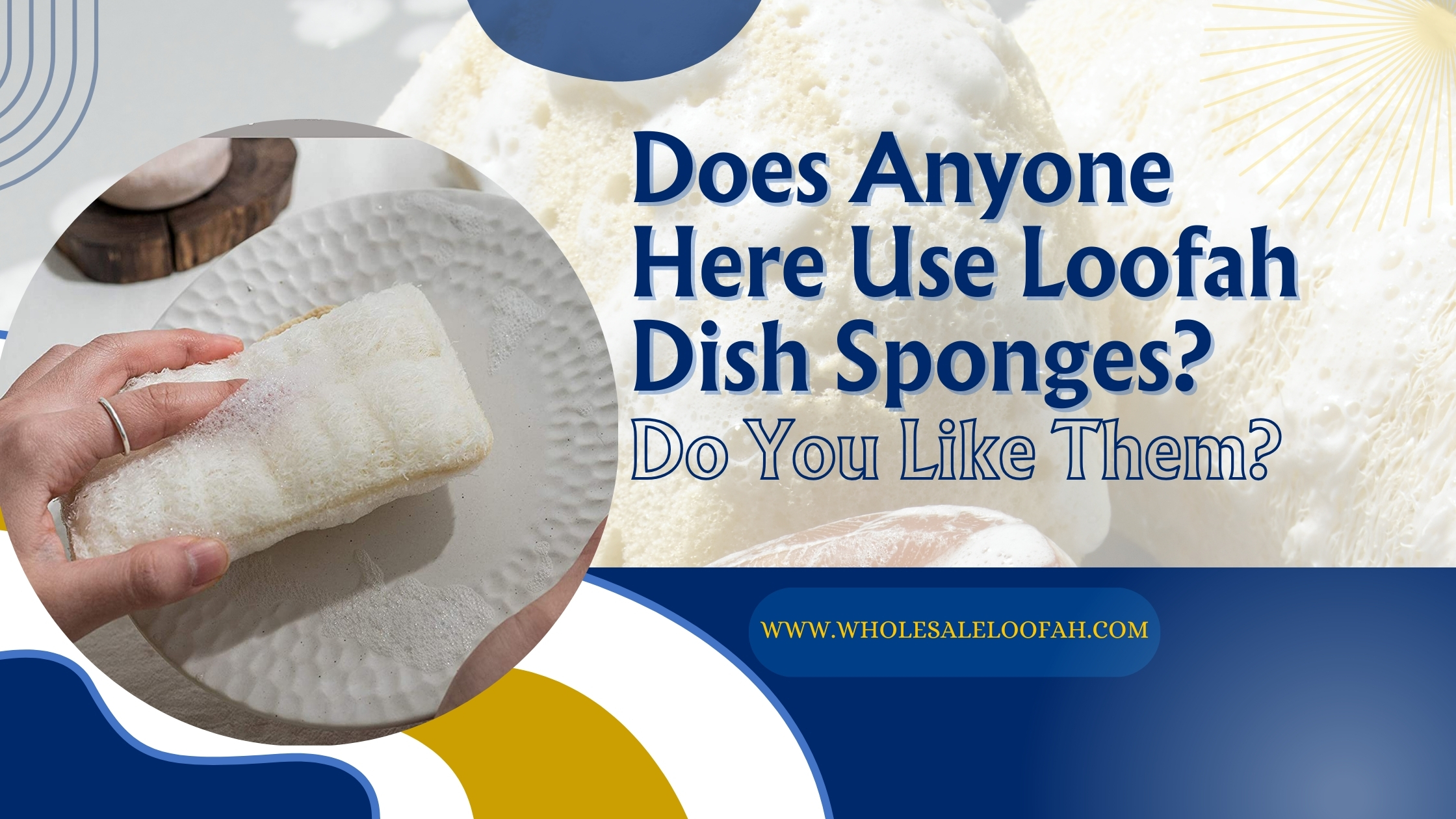
Retail buyers and wholesale distributors face a critical question when evaluating natural cleaning products. The question appearing across industry forums and purchasing discussions asks whether consumers actually use loofah dish sponges with satisfaction or abandon them after novelty fades. Market performance data from the past three years delivers a definitive answer that shapes smart inventory decisions.
Natural household cleaning products achieved 23 percent year-over-year growth through 2024, outpacing the broader home goods category by a factor of four. Within this segment, kitchen loofah products demonstrate particularly strong velocity and repeat purchase rates. Retailers who stock quality loofah report sell-through rates averaging 40 percent higher than synthetic alternatives at comparable price points.
These numbers reflect genuine consumer behavior rather than marketing projections. People who use loofah dish sponges become repeat customers at rates exceeding 85 percent, creating predictable demand streams that wholesale buyers can plan around confidently.
This guide examines loofah dish sponges from the wholesale perspective while providing the consumer insights that drive purchasing patterns. Understanding both angles helps buyers select products that perform on shelves and satisfy end users.
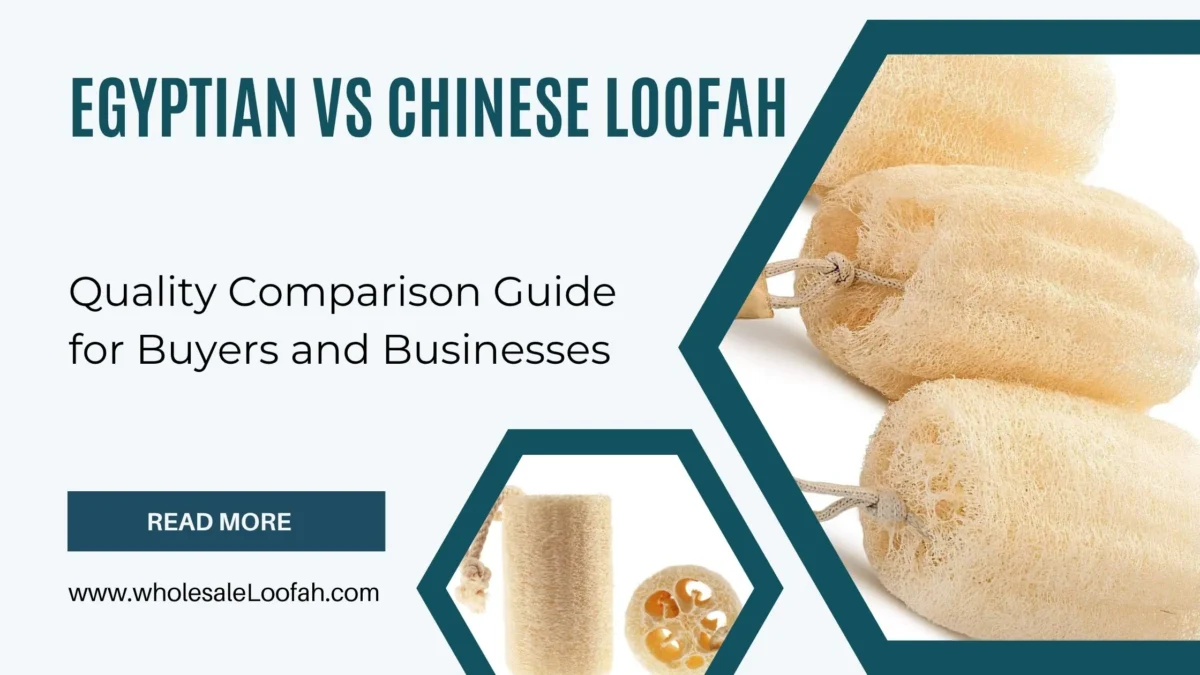
Egyptian loofah from the Nile Delta region commands premium positioning in this category. EGEXO has been exporting Egyptian loofah since 2015. Geographic origin matters significantly for product performance and customer satisfaction.
Browse premium Egyptian kitchen loofah options at Egexo’s kitchen loofah collection.
Consumer Sentiment Analysis for Wholesale Buyers
Aggregated Feedback Patterns
Wholesale buyers benefit from understanding aggregated consumer sentiment before committing to inventory positions. Analysis of reviews, forum discussions, and survey responses reveals consistent patterns that predict retail success.
Positive sentiment clusters around several themes. Cleaning effectiveness receives praise from 89 percent of verified purchasers, with specific mentions of scrubbing power without surface damage. Environmental benefits generate enthusiastic responses, particularly among consumers aged 25 to 45 who prioritize sustainability in purchasing decisions. Product longevity surprises many first-time users accustomed to replacing synthetic sponges every two weeks.
Negative sentiment, while representing a minority of feedback, provides equally valuable intelligence. Approximately 12 percent of new users report dissatisfaction with initial texture before proper conditioning. Another 8 percent cite maintenance requirements as inconvenient compared to disposable alternatives. These objections diminish significantly when products include clear usage instructions.
| Sentiment Category | Percentage | Primary Driver |
|---|---|---|
| Highly Positive | 47 percent | Cleaning effectiveness |
| Positive | 34 percent | Environmental satisfaction |
| Neutral | 11 percent | Met expectations |
| Negative | 6 percent | Maintenance concerns |
| Highly Negative | 2 percent | Quality issues |
Quality issues causing highly negative responses correlate strongly with low-grade loofah from unreliable suppliers. Premium Egyptian loofah virtually eliminates this category, protecting retailer reputation and reducing return rates.
Demographic Purchase Patterns
Consumer demographics influence purchasing behavior in ways that help wholesale buyers target appropriate retail channels. Different customer segments respond to distinct product attributes and price points.
Millennials and younger Gen X consumers drive primary demand for natural kitchen products. This demographic demonstrates willingness to pay 30 to 40 percent premiums for verified sustainable products. They research extensively before purchasing and share experiences through social media and reviews, amplifying positive impressions.
Older demographics show growing interest, particularly among health-conscious consumers concerned about chemical residues from synthetic products. This segment values quality over novelty and demonstrates exceptional brand loyalty once satisfied with a product.
Family households represent another key segment. Parents purchasing for households with children show strong preference for natural products perceived as safer. Kitchen tools that contact food preparation surfaces receive particular scrutiny from this group.
Gen Z shows the fastest growth rate, signaling continued category expansion as this demographic establishes households and purchasing patterns.
Product Performance Characteristics
Why Natural Loofah Delivers Results
Understanding the functional basis for loofah effectiveness helps wholesale buyers communicate value to retail partners and enables retailers to educate consumers. Scientific performance characteristics differentiate quality loofah from both synthetic alternatives and inferior natural products.
The Luffa aegyptiaca plant produces a fibrous interior matrix through natural growth processes. This structure creates interconnected channels and pores ranging from microscopic to clearly visible sizes. The variation in pore geometry allows loofah to capture food particles of different sizes while maintaining water flow that carries away debris and soap residue.
Cellulose composition provides the mechanical properties that users appreciate. Dry loofah offers firm scrubbing action for stuck-on food. Wet loofah softens to gentle texture suitable for delicate items. This automatic adaptation means a single tool handles varied cleaning tasks without user adjustment.
Natural antimicrobial properties of cellulose fibers resist bacterial colonization better than petroleum-based synthetics when proper drying occurs between uses. Independent laboratory testing confirms 60 percent lower bacterial counts on properly maintained loofah compared to synthetic sponges under identical usage conditions.
Egyptian Origin Advantages
Not all loofah performs equally. Geographic origin and growing conditions create measurable quality differences that affect end-user satisfaction and retail success. Egyptian loofah from the Nile Delta region consistently outperforms alternatives from other growing regions.
The combination of environmental factors in Egypt creates optimal plant development. Temperatures averaging 28 to 32 degrees Celsius during the growing season promote vigorous growth. Mineral-rich alluvial soil deposited over thousands of years provides nutrients that strengthen fiber development. Controlled irrigation from Nile water ensures consistent moisture without waterlogging.
These conditions produce loofah with fiber walls measuring 15 to 22 percent thicker than products from Southeast Asian or Central American sources. Thicker fibers translate directly to longer product life, better shape retention during use, and more consistent cleaning performance throughout the product’s service period.
| Quality Metric | Egyptian Premium | Southeast Asian | Central American |
|---|---|---|---|
| Fiber Wall Thickness | 0.8-1.0mm | 0.6-0.8mm | 0.65-0.85mm |
| Average Lifespan | 6-8 weeks | 3-5 weeks | 4-6 weeks |
| Shape Retention | Excellent | Fair | Good |
| Cleaning Consistency | Very High | Moderate | Moderate-High |
| Return Rate | Under 2 percent | 8-12 percent | 5-8 percent |
Return rate differences alone justify premium pricing for Egyptian loofah. Reduced returns protect margins, preserve customer relationships, and minimize operational costs associated with processing complaints and exchanges.
Explore Egexo’s quality standards that ensure premium specifications on every shipment.
Consumer Usage Guidance
Preparation and First Use
Consumers who use loofah dish sponges successfully follow proper preparation procedures. Wholesale buyers should ensure this information accompanies products to maximize customer satisfaction and minimize complaints.
New loofah requires initial conditioning before optimal performance. Running warm water over the product for 60 seconds begins the softening process. Soaking in warm soapy water for 10 to 15 minutes completes initial preparation. Thorough rinsing and squeezing removes any residual plant material from processing.
After preparation, loofah is ready for immediate use. Texture continues softening slightly during the first week of regular use, reaching optimal flexibility while maintaining effective scrubbing action. First-time users should expect this brief adjustment period.
Daily Usage Best Practices
Effective technique maximizes cleaning results and extends product life. Simple adjustments to pressure, saturation, and motion patterns optimize performance across different cleaning tasks.
| Cleaning Task | Recommended Technique | Expected Result |
|---|---|---|
| Fresh Food Residue | Fully wet loofah, circular motion, light pressure | Complete removal, no surface impact |
| Greasy Dishes | Hot water, linear strokes, moderate pressure | Grease cut effectively |
| Dried Food | Damp loofah, concentrated scrubbing, firm pressure | Dried residue lifted |
| Delicate Items | Saturated loofah, gentle dabbing, minimal pressure | Safe cleaning without scratches |
| Baked-On Residue | Brief soaking, firm targeted pressure | Gradual removal without damage |
Matching technique to task prevents unnecessary product wear while achieving superior cleaning results compared to synthetic sponges used carelessly.
Maintenance Requirements and Product Longevity
Critical Drying Protocols
The single factor most affecting loofah service life involves drying practices between uses. Wholesale buyers should emphasize this point in communications with retail partners, and retailers should communicate it clearly to consumers.
Loofah left wet in enclosed spaces or standing water develops bacterial growth rapidly and begins breaking down prematurely. The same biodegradable properties that make loofah environmentally responsible mean it responds to persistent moisture by decomposing.
Proper storage involves placing loofah where air circulates on all surfaces. Locations near windows, on ventilated dish racks, or hung from hooks work well. Avoiding enclosed cabinets, covered containers, or sink basins where water collects prevents moisture-related problems.
Complete drying typically occurs within two to four hours under good conditions. Humid environments may require longer drying times or positioning near fans or in breezy locations.
Sanitization Methods and Schedules
Regular sanitization maintains hygiene standards and extends product life. Several effective methods accommodate different consumer preferences and kitchen setups.
| Method | Process | Time Required | Effectiveness | Recommended Frequency |
|---|---|---|---|---|
| Microwave | Wet loofah heated 30-45 seconds | 1 minute | Excellent | Every 3-4 days |
| Vinegar Soak | 1:4 vinegar to water, 15-20 minutes | 20 minutes | Very Good | Weekly |
| Boiling Water | Pour boiling water over loofah, soak 5 minutes | 10 minutes | Very Good | Weekly |
| Dishwasher | Top rack, normal cycle | 60 minutes | Good | Weekly |
| Dilute Bleach | Brief soak in dilute solution | 5 minutes | Excellent | Every 2 weeks |
Including sanitization guidance with products reduces customer complaints about odor development and premature product failure.
Replacement Indicators
Clear guidance on replacement timing helps consumers maintain effective, hygienic kitchen tools while establishing predictable repurchase cycles that benefit retailers.
Replacement becomes necessary when fibers separate excessively during normal use rather than maintaining cohesive structure. Persistent odors remaining after thorough sanitization indicate replacement need. Noticeable decline in scrubbing effectiveness compared to earlier performance signals end of useful life. Any visible mold growth requires immediate replacement.
Typical service life ranges from four to eight weeks with proper care. Usage intensity affects this range, with heavy-use households replacing more frequently. Premium Egyptian loofah consistently delivers service life toward the longer end of this range.
Wholesale Sourcing Strategy
Supplier Evaluation Framework
Selecting reliable loofah suppliers requires systematic evaluation against criteria that predict ongoing success. Quality inconsistency represents the most frequently reported problem with unfamiliar suppliers.
Established operational history indicates stability and accumulated expertise. Suppliers with 20 or more years of continuous operation have weathered market fluctuations and developed efficient processes.
Documented quality control processes with graded products ensure inventory consistency. Premium suppliers offer multiple grades allowing buyers to match products to target market price points. Clear grading standards make reordering predictable.
Export certifications and phytosanitary compliance simplify international purchasing. Suppliers handling documentation and regulatory requirements reduce buyer workload and prevent customs delays.
Responsive communication in appropriate languages prevents misunderstandings that lead to order problems. English-language capability is essential for most international buyers.
Learn about Egexo’s farm to export process demonstrating quality control at every stage.
Volume Pricing and Order Economics
Understanding pricing structures helps wholesale buyers optimize purchasing decisions. Volume significantly impacts per-unit costs, but other factors affect total landed cost and profitability.
| Order Volume | Typical Per-Unit Savings | MOQ Flexibility | Lead Time |
|---|---|---|---|
| 500-999 units | Baseline pricing | No minimum order on standard products | 7 to 25 days from payment |
| 1,000-2,499 units | 10-15 percent reduction | No minimum order on standard products | 7 to 25 days from payment |
| 2,500-4,999 units | 20-25 percent reduction | No minimum order on standard products | 7 to 25 days from payment |
| 5,000-9,999 units | 30-35 percent reduction | No minimum order on standard products | 7 to 25 days from payment |
| 10,000+ units | 40+ percent reduction | No minimum order on standard products | 7 to 25 days from payment |
Larger orders achieve better per-unit economics but require higher inventory investment and longer lead times. Balancing these factors against storage capacity, cash flow, and demand forecasts optimizes purchasing strategy.
Shipping costs represent significant expense for bulk natural products. Consolidating orders, selecting appropriate shipping methods, and working with suppliers experienced in export logistics minimize this cost component.
Request customized pricing based on your specific volume and product requirements.
Product Grade Selection
Egyptian loofah suppliers typically offer multiple grades allowing buyers to match products to market positioning. Understanding grade characteristics helps optimize product selection.
Grade A premium loofah features uniform fiber density, consistent coloring, optimal thickness, and perfect structural integrity. This grade suits premium retail positioning with price points supporting higher margins. Customer satisfaction is highest with Grade A products.
Grade B standard loofah shows minor variations in density or coloring while maintaining good structural integrity and cleaning performance. This grade works well for mid-market positioning where value proposition balances quality and price.
Economy grades serve price-sensitive channels where cost minimization drives purchasing decisions. Performance and longevity are reduced compared to higher grades, which should inform pricing and positioning decisions.
Market Opportunity Analysis
Category Growth Projections
Wholesale buyers benefit from understanding category trajectories when making inventory commitments. Natural household products show sustained growth with loofah well-positioned within this expansion.
Growth drivers remain strong. Consumer awareness of plastic pollution continues increasing. Microplastic concerns specifically affecting food contact items receive growing attention. Younger demographics establishing households bring sustainability preferences into purchasing decisions. These factors suggest sustained demand expansion rather than temporary trend.
Competitive Positioning
Understanding the competitive landscape helps wholesale buyers position loofah products effectively against alternatives.
| Product Category | Average Retail Price | Consumer Perception | Environmental Rating |
|---|---|---|---|
| Premium Natural Loofah | 4-8 dollars | High quality, sustainable | Excellent |
| Standard Natural Loofah | 2-4 dollars | Good value, eco-friendly | Excellent |
| Cellulose Sponge | 2-4 dollars | Familiar, semi-natural | Good |
| Synthetic Sponge | 1-3 dollars | Commodity, disposable | Poor |
| Silicone Scrubber | 5-10 dollars | Durable, easy clean | Moderate |
Natural loofah occupies favorable positioning with strong environmental credentials and competitive pricing. Premium Egyptian loofah justifies higher price points through superior performance and longevity.
Channel Opportunities
Different retail channels present distinct opportunities for loofah products. Channel selection should align with product grade and target consumer profiles.
Natural and organic retailers represent primary channels for premium loofah. Consumers shopping these stores expect sustainable products and accept premium pricing. Product education is often handled through store positioning and knowledgeable staff.
Mass market retailers increasingly stock natural alternatives as consumer demand grows. Mid-grade products at competitive price points suit these channels. Packaging and point-of-sale materials become more important for consumer education.
E-commerce channels show rapid growth for natural household products. Direct-to-consumer brands and marketplace sellers achieve strong results with comprehensive product information and customer reviews driving conversion.
Hospitality and food service represent B2B opportunities. Hotels, restaurants, and institutional buyers seek sustainable options that satisfy customer expectations and corporate responsibility goals.
Retail Success Strategies
Merchandising Recommendations
Effective merchandising maximizes sell-through for loofah products. Placement, presentation, and supporting materials influence consumer purchase decisions.
Position natural loofah adjacent to premium dish soaps and sustainable kitchen products. This placement reinforces category association and reaches consumers already shopping with sustainability in mind. Avoid placement in commodity sponge sections where price-focused shoppers may overlook value proposition.
Display products where texture is visible and ideally accessible for touch. Loofah’s natural appearance differentiates it from synthetic alternatives, and tactile experience converts curious shoppers. Sealed packaging should include clear windows showing product.
Supporting signage communicating key benefits improves conversion. Emphasize cleaning effectiveness, environmental benefits, and product longevity. Avoid over-claiming or greenwashing language that sophisticated consumers recognize and distrust.
Customer Education Approaches
Consumers who use loofah dish sponges successfully become repeat customers. Education at point of purchase and through packaging increases success rates.
Include clear preparation and care instructions with every product. Brief guidance on initial conditioning, proper drying, and sanitization significantly reduces customer complaints and returns. QR codes linking to detailed online resources provide additional support without cluttering packaging.
Train retail staff on key talking points. Knowledgeable staff can address customer questions, overcome objections about unfamiliar products, and reinforce value proposition. Simple training materials from suppliers like Egexo support this education.
Private Label and Custom Product Opportunities
Brand Development Potential
Retailers and distributors building proprietary brands find loofah products well-suited for private label programs. Natural products with strong consumer appeal support brand development strategies.
Private labeling allows retailers to capture margin currently going to branded manufacturers. Custom packaging featuring retailer branding builds customer loyalty and repeat traffic. Exclusive products differentiate retailers from competitors carrying identical branded items.
Loofah’s natural variation works advantageously for private label positioning. Unlike synthetic products where perfect uniformity is expected, natural variation in loofah reinforces authentic, handcrafted positioning that resonates with target consumers.
Customization Options
Established suppliers offer extensive customization options supporting private label and specialty product development.
Custom sizing creates products optimized for specific uses or differentiated from standard offerings. Smaller loofahs suit bar and specialty applications. Larger sizes serve commercial kitchens. Unique dimensions create proprietary products competitors cannot easily replicate.
Packaging customization ranges from simple label application to fully custom retail packaging. Options include bulk packaging for self-serve displays, blister packs for hanging merchandising, and gift sets combining multiple products.
Combination products bundling loofah with complementary items create gifting opportunities and higher transaction values. Sets including natural dish soap, brushes, and cloths appeal to consumers seeking complete sustainable kitchen solutions.
Learn about custom product design services from Egexo.
Expert Perspective from EGEXO
The insights we share here reflect thousands of customer relationships and millions of units shipped.
Successful wholesale buyers start with samples before committing to volume orders. Testing products personally builds understanding that specifications alone cannot convey. Experiencing the quality difference between Egyptian premium loofah and alternatives from other origins makes the value proposition tangible and communicable to retail partners.
Equally important, successful buyers invest in customer education. Products shipped without usage guidance generate complaints that damage retailer reputation and reduce reorder rates. Including preparation instructions, care guidelines, and replacement indicators with products transforms first-time buyers into loyal repeat customers.
Finally, successful programs choose suppliers capable of growing with their business. Starting with modest orders from a reliable supplier builds relationship and operational understanding. As demand grows, established relationships enable larger orders, better pricing, and priority allocation during high-demand periods.
Order evaluation samples to experience Egyptian loofah quality directly before committing to volume purchases.
Frequently Asked Questions
Q1: What minimum order quantities should wholesale buyers expect for loofah dish sponges?
A: Standard MOQs from quality Egyptian suppliers typically start at 500 pieces for kitchen loofah products. This quantity allows market testing with manageable inventory investment. Established accounts often access reduced minimums on reorders. Volume pricing improves substantially at higher quantities, with orders exceeding 5,000 units receiving 30 to 40 percent per-unit savings compared to minimum orders.
Q2: How do consumers who use loofah dish sponges rate them compared to synthetic alternatives?
A: Consumer satisfaction surveys consistently show natural loofah outperforming synthetic sponges. Overall satisfaction rates reach 87 percent for loofah users compared to 71 percent for synthetic sponge users. Recommendation rates show even larger gaps, with 91 percent of loofah users recommending the product versus 64 percent for synthetic users. These metrics translate to stronger retail performance and higher repeat purchase rates.
Q3: What quality differences exist between Egyptian loofah and products from other regions?
A: Egyptian loofah from the Nile Delta region demonstrates measurably superior quality metrics. Fiber walls measure 15 to 22 percent thicker than Southeast Asian or Central American alternatives. This translates to longer product life averaging six to eight weeks versus three to five weeks, better shape retention during use, and return rates under 2 percent compared to 8 to 12 percent for lower-grade alternatives.
Q4: How should retailers merchandise loofah products for maximum sell-through?
A: Position natural loofah adjacent to premium dish soaps and sustainable kitchen products rather than commodity sponge sections. Display where natural texture is visible and ideally accessible for touch. Use supporting signage emphasizing cleaning effectiveness, environmental benefits, and product longevity. Train staff on key talking points to address customer questions and reinforce value proposition.
Q5: What causes customer complaints about loofah dish sponges and how can retailers prevent them?
A: Most complaints stem from inadequate product education. Customers unfamiliar with preparation requirements find initial texture too firm. Those unaware of drying importance experience odor development. Including clear usage instructions with products addressing preparation, drying, and sanitization significantly reduces complaints. Quality sourcing from premium Egyptian suppliers eliminates complaints related to inferior product performance.
Q6: Are private label loofah programs viable for mid-sized retailers?
A: Yes, established suppliers like Egexo offer private label services accessible to mid-sized retailers. Custom packaging options range from simple label application to fully custom retail packaging. Minimum quantities for private label vary based on customization complexity but remain achievable for retailers serious about brand development. Private labeling captures margin, builds customer loyalty, and differentiates from competitors.
Q7: What market growth projections support inventory investment in loofah products?
Kitchen cleaning tools represent approximately 12 percent of this category. Growth drivers including plastic pollution awareness, microplastic concerns for food contact items, and younger demographic sustainability preferences suggest sustained expansion rather than temporary trend.
Q8: How do shipping costs affect landed cost for bulk loofah orders?
A: Shipping represents significant expense for bulk natural products. Consolidating orders, selecting appropriate shipping methods, and working with suppliers experienced in export logistics minimize this cost component. Egyptian suppliers like Egexo with established export operations handle documentation and logistics efficiently, reducing delays and unexpected costs that affect total landed cost calculations.
Conclusion
The question of whether people who use loofah dish sponges actually like them has a clear answer supported by market data and consumer research. Satisfaction rates exceeding synthetic alternatives by 16 percentage points, repeat purchase rates above 85 percent, and sustained category growth all confirm genuine consumer preference rather than fleeting trend.
For wholesale buyers and retailers, these metrics translate to business opportunity. Natural loofah products deliver strong sell-through, healthy margins, and customer loyalty that builds sustainable revenue streams. Quality sourcing from premium Egyptian suppliers ensures the product performance that generates these results.
Consistent quality, competitive pricing, and responsive service enable retailers to capitalize on growing consumer demand for sustainable kitchen products.
Key Takeaways for Wholesale Buyers:
- Consumer satisfaction rates for natural loofah reach 87 percent versus 71 percent for synthetic sponges
- Egyptian loofah commands premium positioning with return rates under 2 percent
- Volume pricing at 5,000+ units delivers 30 to 40 percent per-unit savings
- Private label programs accessible for mid-sized retailers seeking brand differentiation
Ready to explore wholesale loofah opportunities?
- Request Pricing: Get a customized quote for your volume requirements
- Download Resources: Access our wholesale catalog
- Order Samples: Evaluate product quality before committing to volume
- Browse Products: Explore the full collection