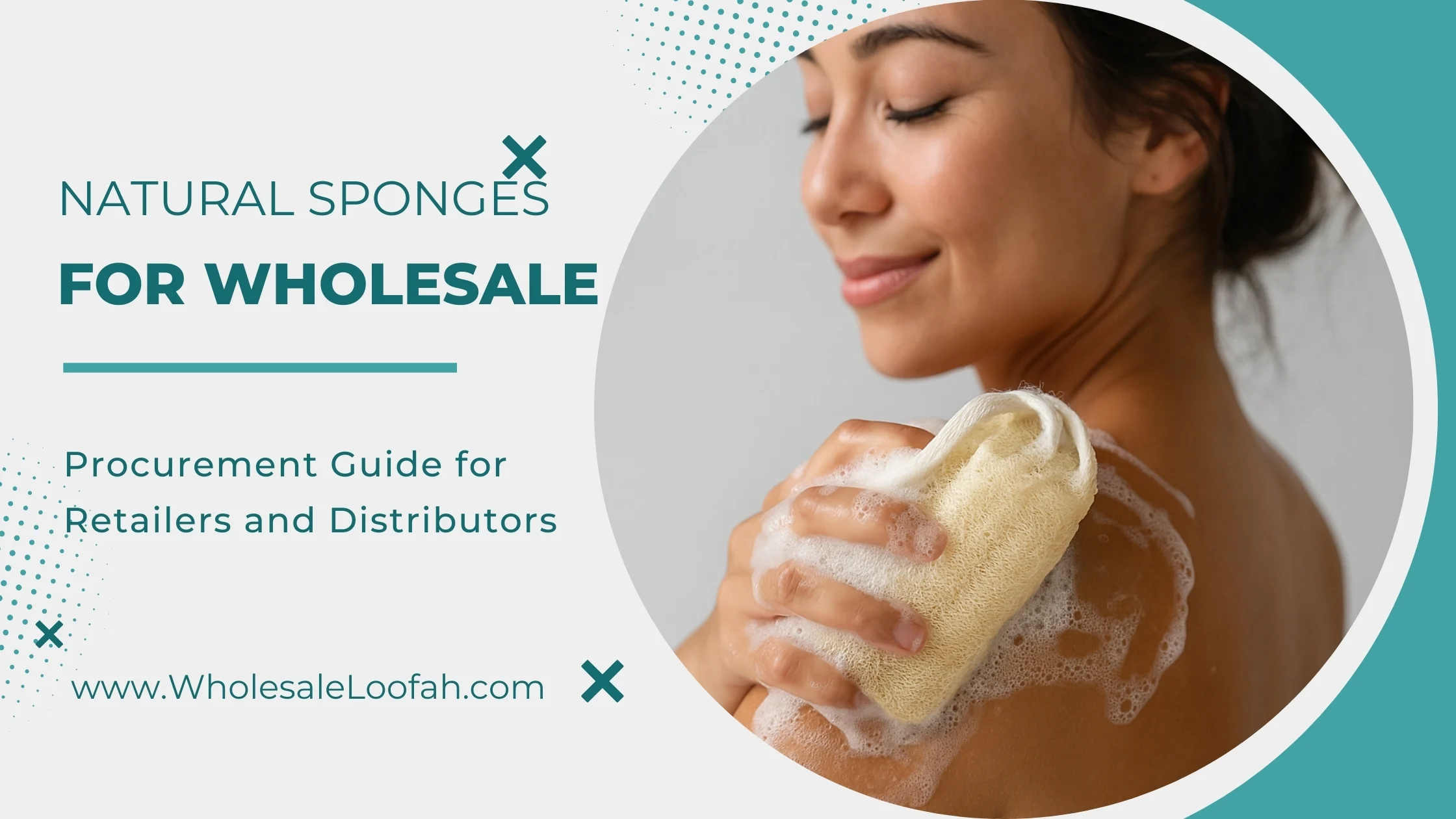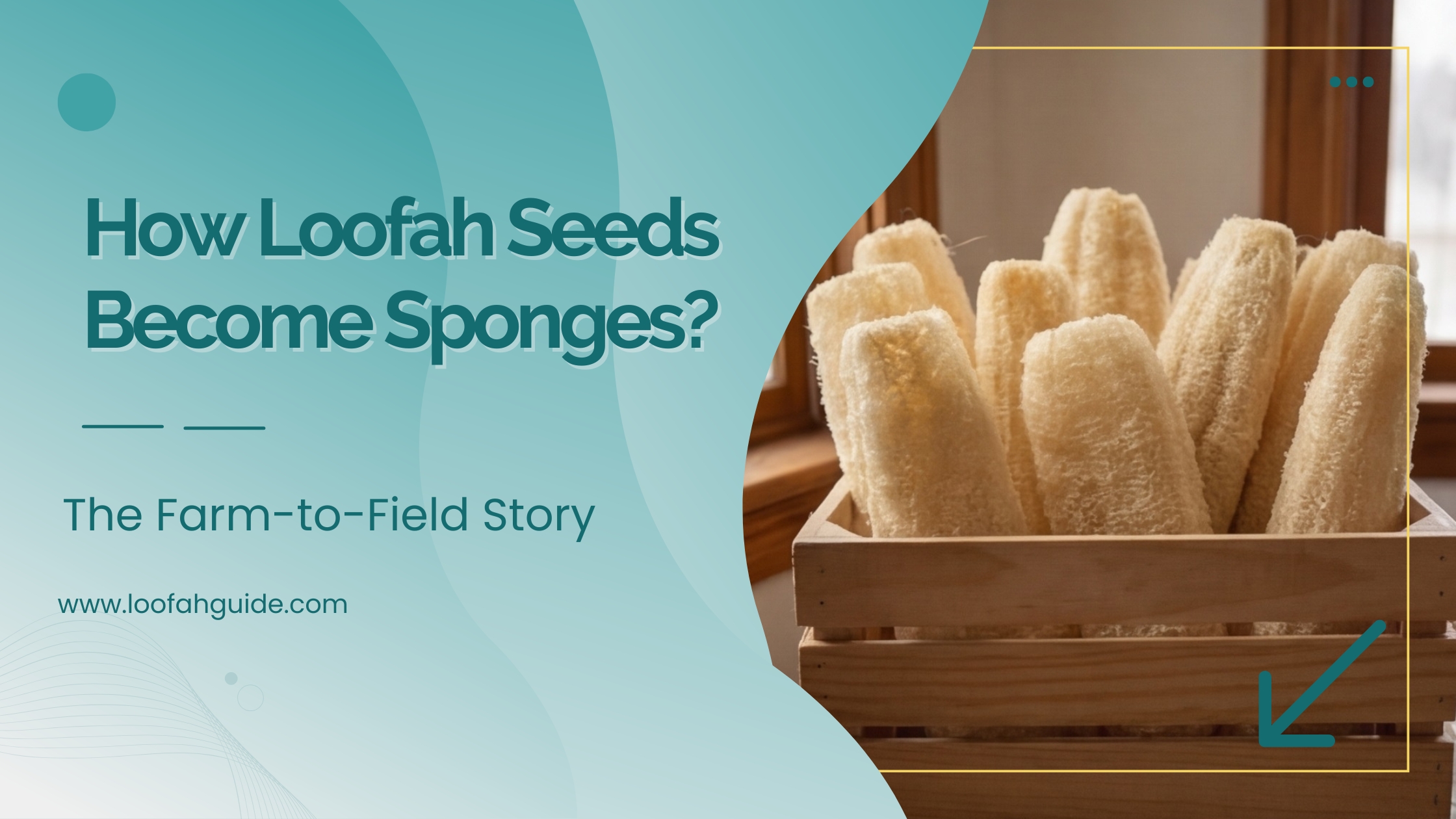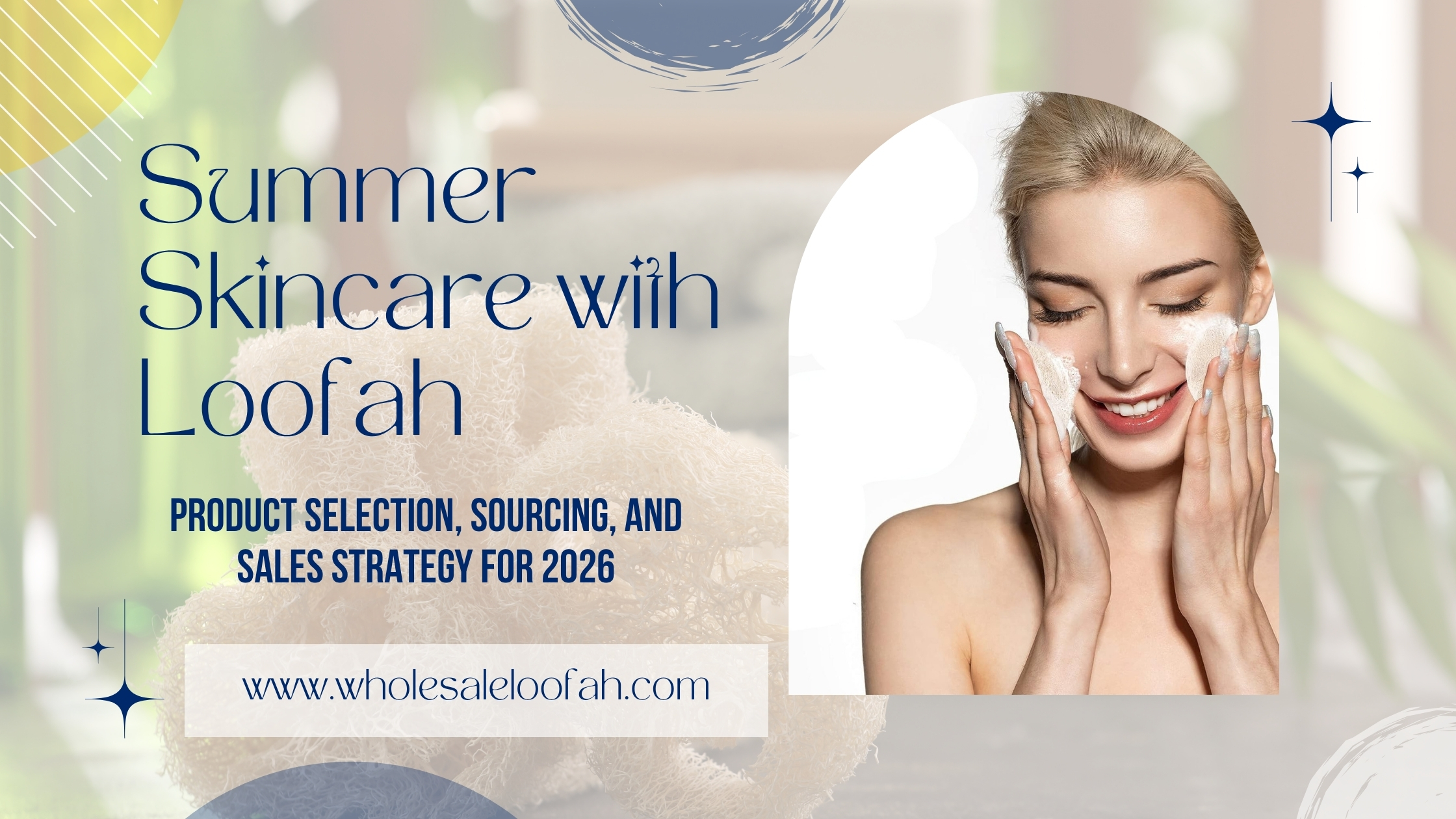
The summer personal care season generates more natural skincare purchasing than any other time of year, and loofah sits at the center of it. Summer skincare with loofah has grown from a niche natural beauty practice into a mainstream consumer expectation, supported by clinical evidence on exfoliation benefits, accelerating demand for biodegradable bath products, and a retail narrative that practically writes itself. For wholesale buyers, importers, spa suppliers, and distributors, this translates into a product category with strong margins, consistent repeat purchase rates, and a growing consumer base that is actively choosing natural over synthetic.
This guide is designed for the sourcing side of that equation. It covers the product types that perform best in summer retail environments, the quality standards that separate profitable products from return-generating ones, what to verify before committing to a supplier, and how to position loofah products for maximum commercial performance during the peak season. Consumer skincare information is woven throughout, because understanding what your end customer needs is the foundation of sourcing decisions that pay off.
EGEXO has been exporting Egyptian loofah since 2015. The practical guidance in this article reflects that operational depth.
The Summer Loofah Market: Why Now and Why Natural
The market context matters before the product decisions. Understanding where consumer demand is coming from in 2026 makes sourcing and positioning decisions significantly clearer.
Within that category, natural and biodegradable products are growing at nearly twice the rate of synthetic alternatives, driven by consumer awareness of microplastic contamination, plastic waste reduction goals, and a broader preference for traceable agricultural products in personal care.
Summer concentrates this demand. Research from retail analytics firms consistently shows that bath and body product sales peak between May and August in Northern Hemisphere markets, with natural exfoliation products showing index values 30 to 40 percent above their annual average during these months. For wholesale buyers planning inventory, this means a summer peak that is both reliable and well-documented by sales data.
Consumer Behavior Driving Summer Loofah Demand
The typical summer loofah buyer in 2026 is not purchasing based on price alone. Research on natural beauty purchasing patterns shows that consumers in this category prioritize three factors in order: product effectiveness, environmental credentials, and then price. This is commercially important because it means buyers who source quality Egyptian loofah and communicate its agricultural origin correctly can command price premiums that more than justify the sourcing cost difference.
Summer skincare with loofah appeals to three overlapping consumer groups: general consumers building a summer body care routine, eco-conscious shoppers replacing synthetic scrubbers with biodegradable alternatives, and wellness-oriented consumers who seek spa-quality products for home use. Each group responds to different messaging, but all three groups converge on the same product: a high-quality natural Egyptian loofah with verified origin and consistent performance.
Product Categories: What Sells in Summer and Why
Not all loofah products perform equally in summer retail. The following analysis covers the products with the strongest commercial performance during the peak season, with both consumer and buyer perspectives addressed.
Natural Body Loofahs: The Core SKU
The full-body natural loofah, typically 15 to 25 centimeters in length, is the foundational product in the summer loofah category. It accounts for the majority of unit volume in most retail settings and has the highest consumer recognition. For wholesale buyers, it is also the product with the most predictable demand and the most transparent quality assessment process.
The critical commercial distinction in this category is between Export Grade A and Export Grade B product. Grade A loofahs, with high and consistent fiber density, uniform color, and moisture content below 10 percent, command retail pricing that supports strong distributor and retailer margins. Grade B product, while perfectly functional for standard retail, occupies a more competitive price point where margins are thinner.
Buyers supplying premium natural skincare retailers, spa product distributors, or international markets with established natural beauty sectors should specify Grade A exclusively. Buyers supplying mass-market retail, private-brand general merchandise, or price-sensitive markets can work profitably with Grade B without sacrificing customer satisfaction.
Egexo’s full bath and body loofah range covers both grades with complete specification documentation. The quality grading framework is published at the Egexo quality standards page.
Loofah Accessories for Margin Expansion
Summer retail performance in the loofah category improves significantly when buyers extend beyond the standard body loofah into the accessories segment. Loofah mitts, back straps, disc slices, and combination products with soap or essential oil pairings all carry higher retail price points and differentiate the product set from commodity alternatives.
The accessories segment is also where private-label opportunity is strongest. A loofah mitt with custom branding and branded packaging retails at two to four times the price of an unbranded equivalent, while the product cost increase is modest. The margin differential makes private-label accessories among the highest-ROI products in the summer natural beauty category.
Egexo’s private label loofah manufacturing service covers the full range of accessories, including custom packaging design, labeling, and co-branding options. Standard products are ready in 7 to 25 days from payment. Custom time is confirmed with the quote. For custom product development, Egexo’s custom loofah product design team can work from existing brand guidelines or develop concepts from scratch.
Raw Loofah for Manufacturing and Specialty Retail
A less visible but commercially significant product segment is raw loofah material, purchased by artisan soap makers, small bath product manufacturers, and specialty retailers who embed loofah in their own product lines. This segment has shown consistent year-over-year growth as the handmade beauty market expands.
For wholesale buyers in this segment, raw loofah quality assessment is particularly important because the material goes into branded products that carry the buyer’s reputation. Fiber consistency, seed content, and moisture level all affect how raw loofah performs in soap embedding, infusion, or dry scrubber applications.
Egexo’s raw loofah scrubbers category is available in bulk quantities from 50 kilograms, with grading documentation provided on request. The Egexo product catalog contains complete specifications for all raw material grades.
Wholesale Specifications and MOQ Reference Table
| Product Type | Grade Options | MOQ | Lead Time | Packaging | Notes |
|---|---|---|---|---|---|
| Full Body Loofah (15-20cm) | A and B | No minimum order on standard products | 7 to 25 days from payment | Bulk, poly-bag, retail box | Most popular summer SKU |
| Full Body Loofah (20-25cm) | A and B | No minimum order on standard products | 7 to 25 days from payment | Bulk, poly-bag | Higher retail price point |
| Loofah Disc Slices (2-4cm) | A and B | No minimum order on standard products | 7 to 25 days from payment | Bulk or individually wrapped | Strong in targeted exfoliation segment |
| Loofah Mitts | A | No minimum order on standard products | 7 to 25 days from payment | Bulk or retail packaging | Premium accessory segment |
| Loofah Back Strap | A and B | No minimum order on standard products | 7 to 25 days from payment | Bulk or poly-bag | Good for spa supply |
| Raw Loofah (unprocessed) | Variable | No minimum order on standard products | 7 to 25 days from payment | Carton, bale | For manufacturing input |
| Private Label Body Loofah | A | Private label from 1,000 units | Confirmed with the quote | Custom per brand | Highest retail margin |
| Private Label Accessories | A | Private label from 1,000 units | Confirmed with the quote | Custom per brand | Best ROI in category |
To request specific pricing and availability for the upcoming summer season, submit a wholesale quotation request directly to EGEXO.
Quality Grading in Detail: What Buyers Must Specify
The loofah import market lacks standardized grading across the industry, which creates risk for buyers who do not specify quality parameters explicitly. The following framework, based on Egexo’s documented standards, provides a reference that buyers can use with any supplier.
Physical Quality Parameters
| Parameter | Grade A Specification | Grade B Specification | Industrial Grade |
|---|---|---|---|
| Fiber density | High and fully consistent throughout | Medium-high, minor variation permitted | Variable, not assessed |
| Moisture content | Below 10 percent | Below 12 percent | Below 15 percent |
| Color uniformity (unbleached) | Uniform golden-brown, no spots | Minor variation acceptable, no dark patches | Not assessed |
| Color uniformity (bleached) | Consistent pale cream throughout | Minor tone variation acceptable | Not assessed |
| Fiber spring-back | Immediate full recovery under compression | Recovery within 1 to 2 seconds | Not assessed |
| Seed content | Minimal, easily removed | Low to moderate | Not restricted |
| Chemical treatment | Documented, within export standards | Documented | Variable |
| Odor | Neutral | Neutral to very mild | Variable |
Documentation Requirements for Import
Beyond physical product quality, wholesale buyers sourcing internationally need specific documentation to ensure smooth import clearance and regulatory compliance. The following documentation should be standard from any credible loofah exporter:
A phytosanitary certificate issued by the exporting country’s agricultural authority confirms that the product is free from pests and plant diseases. A certificate of origin documents the source country and is required for customs purposes and sometimes for preferential tariff qualification. A moisture content test report provides numerical evidence of the product’s compliance with storage and hygiene standards. For buyers in regulated markets, a declaration of chemical treatments used in processing may also be required.
Egexo provides all of the above as standard export documentation. Buyers can review the company’s full export process at the farm-to-export process page.
Supplier Evaluation: A Practical Checklist for Loofah Sourcing
Not every loofah supplier offers the same reliability, and the consequences of a poor sourcing decision in this category range from customer returns to regulatory issues at import. The following checklist is a structured approach to supplier evaluation.
Pre-Order Verification Checklist
| Evaluation Criterion | What to Look For | Red Flag |
|---|---|---|
| Written quality specifications | Measurable parameters in writing | Descriptive-only language, no numbers |
| Sample availability | Free or low-cost samples before bulk | Resistance to sampling, minimum sample fees |
| Moisture content documentation | Test report with numerical values | Verbal assurances only |
| Phytosanitary certificate | Current year documentation | Outdated certificates, inability to provide |
| Agricultural origin documentation | Region, country, farm where possible | Vague country-of-origin only |
| Chemical treatment disclosure | Written list of treatments and concentrations | No disclosure, refusal to provide |
| Export history | References or track record in your market | No verifiable references |
| Communication responsiveness | Clear answers within reasonable timeframe | Vague or delayed responses to technical questions |
| Flexibility on first order | Trial order at lower MOQ | All-or-nothing approach to first-time buyers |
| Catalog transparency | Published specifications, grading system | No catalog, specifications vary by conversation |
Egexo welcomes evaluation against all of the above criteria and encourages buyers to order samples as the first step in the relationship. The full reasoning behind Egexo’s supplier positioning is covered at the why choose Egexo page.
Retail Positioning: How to Sell Summer Skincare Loofah Products
Sourcing quality product is half the commercial equation. The other half is positioning it in a way that converts to sales. The following guidance applies to physical retail, e-commerce, and spa product sales contexts.
What End Consumers Need to Know About Summer Skincare with Loofah
Consumer education at the point of purchase significantly improves conversion and reduces returns. When consumers understand why they are choosing a natural Egyptian loofah over a synthetic alternative, they make more confident purchasing decisions, are more likely to use the product correctly, and are more likely to reorder.
The core messages that convert in the summer skincare segment are: the biological reason exfoliation matters in summer (dead cell accumulation from UV-accelerated turnover combined with product buildup), the specific advantages of natural loofah over synthetic alternatives (hygiene, environmental impact, exfoliation quality), and the agricultural story behind Egyptian loofah quality (Nile Delta cultivation, consistent fiber, verified origin).
Retailers and spa operators who communicate these points through packaging copy, point-of-sale materials, and staff training consistently see higher average transaction values and lower return rates in the loofah category.
Seasonal Inventory Planning for Summer Peak
| Planning Milestone | Timing Before Peak | Action Required |
|---|---|---|
| Market research and SKU selection | 5 to 6 months | Finalize product range, identify grade requirements |
| Sample evaluation | 4 to 5 months | Order and evaluate samples from shortlisted suppliers |
| Supplier selection and terms | 3 to 4 months | Confirm MOQ, pricing, lead times, documentation |
| Bulk order placement | 2 to 3 months | Place order with full specifications confirmed |
| Import clearance and delivery | 6 to 8 weeks | Allow for transit and customs clearance |
| Retail floor setup | 4 weeks before peak | Merchandising, staff training, POS materials |
| Reorder assessment | At 50 percent inventory | Evaluate sell-through, place reorder if needed |
For buyers working on an accelerated timeline, Egexo’s EGEXO can advise on current production availability and realistic lead times for summer season delivery. Contact the team directly for a timeline assessment.
Pros, Cons, and Commercial Considerations: Natural vs Synthetic Loofah
Wholesale buyers sometimes face a choice between natural and synthetic product lines. The following comparison is relevant to that decision, particularly in the context of summer retail positioning.
| Dimension | Natural Egyptian Loofah | Synthetic Polyester Scrubber |
|---|---|---|
| Retail consumer preference trend | Strongly increasing | Decreasing in premium and eco segments |
| Biodegradability | Fully biodegradable | Not biodegradable, microplastic shedding |
| Hygiene (summer conditions) | Better when maintained | Worse, retains moisture and bacteria |
| Shelf life in storage | 12 to 18 months when stored dry | 24+ months |
| Supply chain traceability | High with credible Egyptian supplier | Typically low (anonymous factory sourcing) |
| Sustainable brand positioning | Strong and verifiable | Weak, potential greenwashing risk |
| Price sensitivity of segment | Lower (quality-focused buyers) | Higher (price-focused buyers) |
| Return rate in premium retail | Lower with quality product | Higher from hygiene complaints |
| Regulatory outlook | Favorable (no plastic content) | Increasing scrutiny on microplastics |
The regulatory dimension deserves particular attention. The European Union’s Single Use Plastics Directive and related packaging regulations have already affected synthetic personal care accessories in several categories, and the trend toward restricting synthetic bath products is documented in multiple policy reviews. Natural loofah carries no regulatory risk in any current importing market and is positioned favorably for future regulatory environments across all major markets.
Expert Insight from EGEXO
It is how the product was stored and shipped.
Loofah that leaves our facility at optimal moisture content, below 10 percent for Grade A, can arrive at its destination degraded if the shipping container experienced excessive humidity or temperature variation during transit. This is why we seal our products with moisture-absorbing packaging materials and specify container conditions for long-haul shipments.
For buyers, the practical implication is this: always inspect a sample shipment before approving the bulk production quality as representative of your order. Open multiple cartons from different pallet positions. Check moisture by feel and by pressing the fiber firmly. Smell the product. A properly shipped Egyptian loofah should smell of nothing in particular, should feel completely dry to the touch, and should spring back immediately when compressed.
If any of those three indicators are off, it is a logistics issue, not necessarily a production one. And any credible supplier should be willing to discuss and resolve a documented logistics discrepancy. Suppliers who deflect on these conversations are ones to exit.
You can learn more about our production standards and process at the EGEXO loofah quality standards page. For a full specification reference, download the EGEXO wholesale catalog.
FAQ Section
Q1: What loofah products have the highest summer retail demand?
Full-body natural loofahs in the 15 to 25 centimeter range consistently show the highest unit volume in summer retail, as they are the most recognized format and align with peak consumer interest in body exfoliation during warmer months. Loofah disc slices perform strongly in specialty natural beauty retail, and loofah mitts show above-average unit economics in spa supply. Private-label accessories across these formats carry the highest gross margin and are worth prioritizing for buyers with brand-building ambitions in the summer skincare with loofah category.
Q2: How do wholesale buyers verify Egyptian loofah quality before committing to bulk orders?
The most reliable verification process is physical sample evaluation combined with written quality documentation. Buyers should request a minimum sample set of 10 to 20 units across the product range they intend to purchase, evaluate fiber density by compression test, check color uniformity visually, and confirm moisture content by feel. They should also request written specification sheets with numerical parameters and moisture content test reports. Any supplier who provides samples that meet physical criteria, backed by written documentation, has completed the fundamental quality verification requirements.
Q3: What are the most common quality problems in imported loofah?
The three most common quality issues in imported loofah are excessive moisture content resulting in mold or soft fiber, inconsistent fiber density from early harvest or mixed-grade product, and aggressive chemical bleaching that weakens fiber structure and reduces product lifespan. All three issues are preventable through specification and documentation: requiring moisture content below 12 percent in writing, specifying Grade A or B product explicitly, and asking for disclosure of bleaching processes and concentration levels. Suppliers who cannot or will not provide this documentation should be treated as high-risk.
Q4: What documentation do I need for importing Egyptian loofah?
The standard import documentation package for Egyptian loofah includes a phytosanitary certificate issued by Egypt’s agricultural authority, a certificate of origin, a commercial invoice with full product descriptions and values, and a packing list. Some importing markets additionally require a certificate of analysis for chemical content, particularly for products entering markets with strict cosmetic ingredient regulations such as the European Union. Egexo provides complete documentation as standard and can advise on market-specific requirements for buyers in different regions.
Q5: What are the private label minimum order requirements for summer skincare loofah products?
Private label loofah products, which include custom branding, packaging design, and labeling applied to natural Egyptian loofah products, typically start at 300 units per SKU. The lead time from specification sign-off to shipped product is six to eight weeks, which means buyers targeting summer peak season should initiate private label production no later than three to four months before their target sell date. Egexo’s private label service covers full product range including body loofahs, mitts, disc slices, and back straps, with packaging developed from buyer-supplied guidelines or created from scratch by the Egexo design team.
Q6: How do retailers position natural loofah against synthetic scrubbers to justify a higher price?
The strongest retail positioning arguments for natural loofah over synthetic alternatives in the summer season are hygiene and sustainability. Natural loofah dries significantly faster than synthetic mesh, which reduces bacterial growth risk in warm, humid summer bathrooms. It produces no microplastic particles during use or at end of life. And its origin from a traceable agricultural source, specifically Egyptian Nile Delta cultivation, supports the provenance narrative that premium natural beauty consumers actively seek. Retailers who communicate these points through packaging, in-store materials, and e-commerce copy consistently see higher conversion rates and fewer returns than those who present natural loofah as simply a cheaper or more traditional option.
Q7: Is there a growing market for loofah in spa summer treatments?
Yes, and it is one of the stronger growth areas in the professional wellness segment. Spa operators are increasingly incorporating full-body natural loofah exfoliation into summer treatment menus, positioned as a preparation treatment before self-tanning applications, after-sun recovery treatments, or as standalone body polish services. The treatment cost per service is low, the Egyptian loofah supply is reliable and well-documented for professional use, and the client experience is consistently high-rated in survey data from spa operations. For spa buyers, Egexo’s pet and spa grooming loofah collection provides professional-grade products, and the request a quote page handles volume pricing for treatment-volume purchasing.
Conclusion
The summer loofah market in 2026 presents a well-documented commercial opportunity for wholesale buyers who approach it with quality-first sourcing and informed retail positioning. Summer skincare with loofah is a category where consumer demand is strong and growing, the sustainability narrative is both accurate and commercially powerful, and the quality differences between suppliers are significant enough to make sourcing decisions highly consequential for profitability.
Egyptian loofah, specifically Nile Delta varieties cultivated and exported by established suppliers like Egexo, represents the top of the quality spectrum in this market. The fiber characteristics, agricultural consistency, and documented export quality that define Egyptian loofah are why it has held its position as the global professional standard for over a century, and why it continues to command premium retail positioning in every market it enters.
For buyers entering the summer season, the sourcing decisions made now determine the product performance, customer satisfaction, and margin outcomes of the next four to five months. The guidance in this article provides the framework for making those decisions with the specificity and verification they require.
Key Takeaways:
- Summer is the peak demand period for natural loofah, with sales indices 30 to 40 percent above annual averages between May and August
- Egyptian loofah from verified suppliers carries the best combination of quality, traceability, and retail positioning strength available in the category
- Quality grading, moisture content specification, and documentation requirements should be confirmed in writing before any bulk commitment
- Private label accessories represent the highest-margin opportunity in the summer loofah category for buyers with brand-building goals
- Retail positioning around hygiene, sustainability, and agricultural provenance consistently outperforms price-only messaging in the natural beauty segment
Ready to source Egyptian loofah for the summer season?
- For Wholesale Buyers: Request a quote or download our product catalog
- To Evaluate Quality First: Order samples or review quality standards